Hey everyone! It feels like just yesterday we were talking about AI as this far-off, futuristic concept, something out of a sci-fi movie. But fast forward to today, and wow, has the landscape shifted!
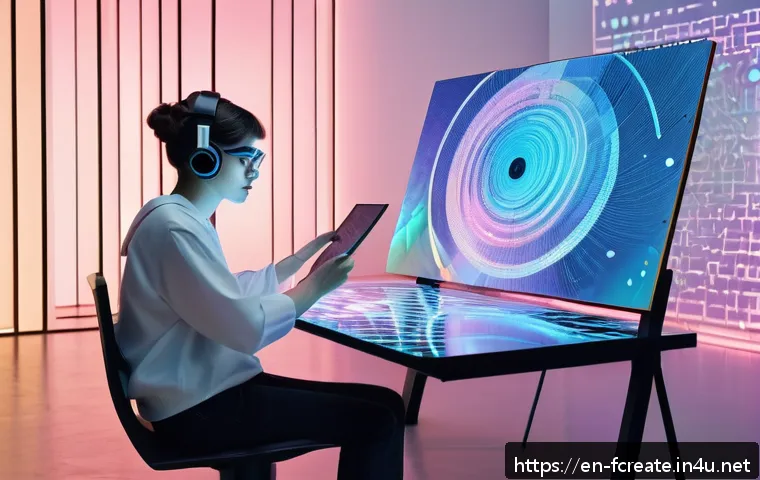
Everywhere I look, from dazzling digital art pieces that feel almost alive to catchy tunes co-composed with intelligent algorithms, creators are truly pushing the boundaries of what’s possible.
I’ve personally experimented with a few AI tools for my own projects, and let me tell you, the results have been nothing short of astonishing. It’s not just about automating tasks anymore; it’s about finding a whole new creative partner that can spark ideas you never even considered.
This era is truly a game-changer, promising new avenues for expression and innovation that we’re only just beginning to uncover, even as we navigate the exciting challenges and ethical questions that come with it.
The possibilities truly feel endless right now, and it’s exhilarating to witness this evolution firsthand, don’t you think? The world of creativity is constantly evolving, isn’t it?
From the earliest cave paintings to the digital canvases of today, artists and innovators have always embraced new tools to bring their visions to life.
Now, we’re standing at the precipice of another monumental shift: the incredible fusion of human ingenuity and artificial intelligence. What was once the sole domain of the human mind is now being wonderfully amplified and redefined by AI, opening doors to artistic expressions and problem-solving methods we could only dream of before.
It’s a partnership that’s sparking debates, igniting imaginations, and quite frankly, changing how we think about what it means to create. Let’s delve deeper into this fascinating intersection right below!
Unleashing New Horizons: My AI-Powered Creative Journey
Discovering the Transformative Power of AI
You know, for years, I considered myself pretty traditional when it came to content creation. My blog posts, my design work, even my brainstorming sessions – it was all good old-fashioned human effort. Then, a few years ago, I started seeing all these buzzwords like “generative AI” and “machine learning” popping up everywhere. Honestly, I was a bit skeptical, maybe even a little intimidated. Would it replace us? Would it make our work feel less authentic? But my curiosity got the better of me, and I decided to dive in. What I discovered was genuinely eye-opening, almost like finding a secret key to a whole new dimension of creativity. It wasn’t about replacing my creativity; it was about amplifying it, giving me new lenses to see possibilities I never even imagined. This wasn’t just a slight tweak to my workflow; it felt like a seismic shift in how I approached everything. I mean, the sheer speed at which I could iterate on ideas and explore different styles was mind-boggling, transforming how I thought about innovation and execution. It’s truly made my creative process more dynamic and less constrained.
Embracing AI as a Creative Co-Pilot
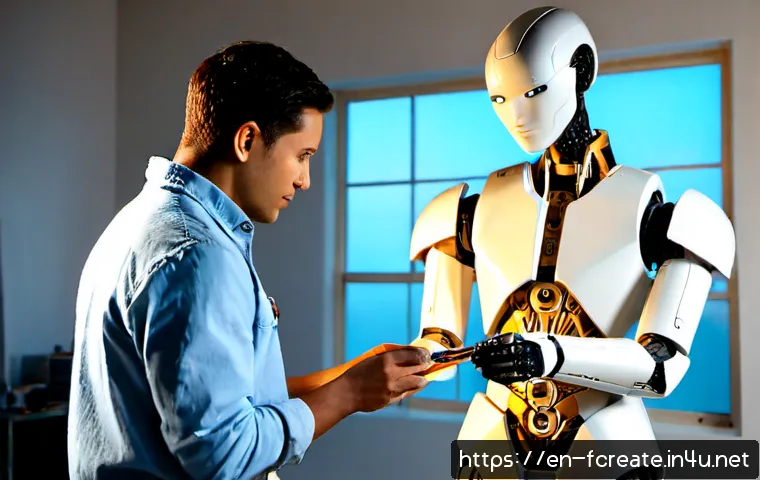
The feeling of having a powerful co-pilot on my creative journey? Absolutely exhilarating! It’s shifted my entire perspective on what a ‘creator’ truly is in this digital age. I’ve found myself experimenting with styles and themes that I would never have dared to touch before, simply because the initial hurdle felt too high. Suddenly, complex tasks that used to take hours of manual effort could be accomplished in minutes, freeing up my mental energy for the truly conceptual and emotionally resonant aspects of my work. It’s like having an entire team of silent, super-fast assistants, ready to help me explore ideas at lightning speed. This partnership has allowed me to push the boundaries of my own imagination, leading to content that feels fresher, more innovative, and frankly, more engaging for my audience. It’s not just a tool; it’s an extension of my creative mind, constantly inspiring and challenging me to think bigger and bolder and really connect with my audience on a deeper level. I’m always looking for that next breakthrough, and AI helps me find it.
The Art of Collaboration: Humans and AI Hand-in-Hand
Redefining the Creative Partnership
One of the biggest misconceptions I hear about AI in creativity is that it’s all about letting a machine do the work for you. And while yes, AI can certainly generate impressive things on its own, the real magic, the truly breathtaking stuff, happens when humans and AI collaborate. Think of it like a master craftsman and a futuristic toolkit. The tools can perform incredible feats, but it’s the craftsman’s vision, his nuanced understanding of aesthetics, emotion, and storytelling, that truly brings the piece to life. It’s about leveraging the computational power of AI to accelerate exploration and execution, while preserving the irreplaceable human touch that imbues art with meaning and soul. I’ve found that this collaborative approach not only produces higher quality work but also significantly enhances my own creative capabilities, pushing me to think more expansively about my projects. This synergy isn’t just productive; it’s genuinely inspiring, demonstrating how technology can serve to elevate, rather than diminish, human artistry. It’s like having an extra pair of hands and a limitless well of inspiration always at the ready.
My Personal Experience with AI Brainstorming
I’ve personally experienced this in my own writing. Sometimes, I hit a creative block, staring at a blank screen for what feels like an eternity. Instead of forcing it, I’ll feed some initial ideas into an AI writing assistant. It won’t write the whole piece for me, not in my voice anyway, but it often throws out unexpected angles or turns of phrase that spark a whole new direction for me. It’s like having a brilliant brainstorming partner who never tires and always offers a fresh perspective. It doesn’t diminish my role; it elevates it, allowing me to focus on the higher-level conceptualization and emotional resonance that only a human can truly imbue. This process allows me to break free from conventional thought patterns and explore truly novel concepts, leading to content that feels uniquely mine, yet enhanced by intelligent assistance. The initial spark might come from the AI, but the fire, the passion, and the final polish are undeniably human. It’s truly transformed how I approach complex topics and creative dilemmas, making the journey much more enjoyable and less stressful.
Beyond the Brushstroke: AI’s Impact on Visual Arts
Democratizing Digital Art Creation
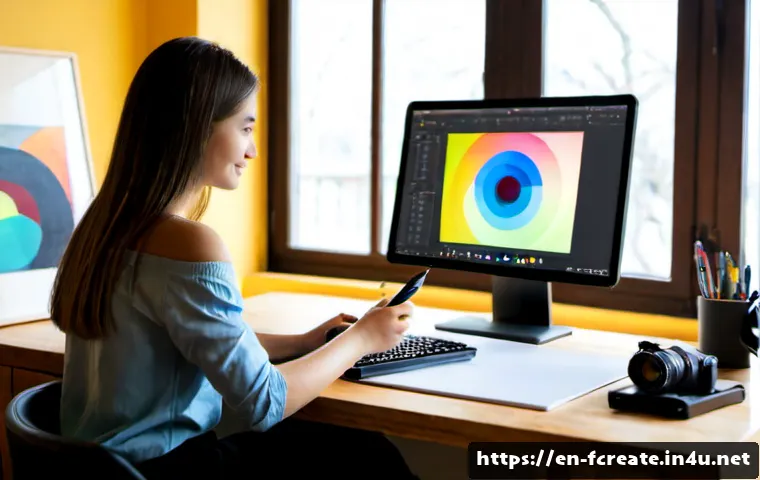
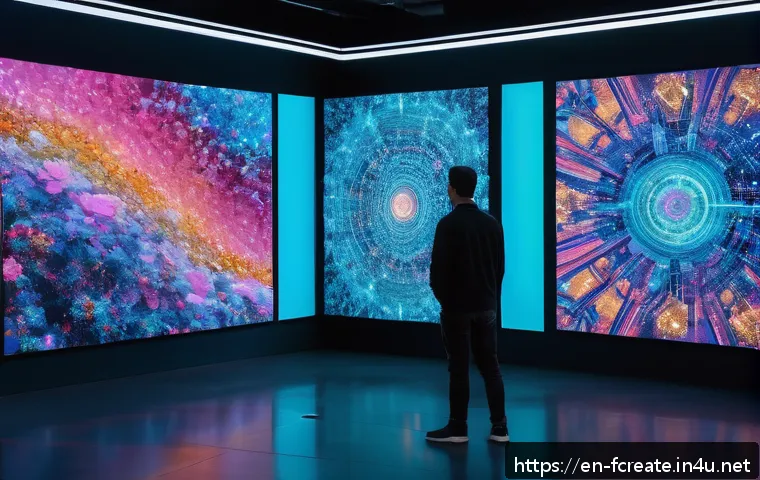
If there’s one area where AI has truly exploded, it’s in visual arts. From generating entirely new images from text prompts to transforming existing photos into various styles, the possibilities are astounding. I remember the first time I played around with an AI art generator, just typing in some whimsical descriptions. The images that came back were surreal, vibrant, and incredibly diverse. It was like having a direct line to a boundless visual imagination. For fellow bloggers and content creators, this is a game-changer for visual storytelling. Need a unique header image that perfectly encapsulates a complex idea? Instead of sifting through stock photos for hours, you can create something truly bespoke in minutes. I’ve used it to craft stunning visuals for my own blog posts, giving them a distinct and professional edge without needing to be a master graphic designer myself. This opens up a world of possibilities for independent creators who might not have the budget for professional illustrators but still desire high-quality, unique imagery. It’s truly democratizing access to stunning visual content.
Crafting Unique Visual Narratives
It’s not just about creating pretty pictures; it’s about democratizing access to high-quality, conceptual art, allowing anyone with an idea to visualize it. This means more compelling content across the board, capturing attention in a crowded digital space. The ability to articulate an abstract concept in words and almost instantly see a visual interpretation appear before your eyes is incredibly empowering. It has allowed me to bring complex ideas to life visually in ways I never thought possible, making my blog posts not just informative but also visually captivating. Furthermore, the iterative nature of these tools means you can quickly refine and adjust your creations, exploring countless variations until you find the perfect image that resonates with your message. This has been invaluable for creating strong brand identity and ensuring every piece of content stands out. It’s about telling a richer story, visually, and drawing readers in with captivating imagery that feels truly tailored to the narrative at hand. The engagement levels on my visually enhanced posts have definitely seen a positive bump, which is always a great feeling.
Composing the Future: AI in Music and Sound Design
Revolutionizing Auditory Storytelling
And it’s not just visual arts that are getting a major AI upgrade. The world of music and sound design is experiencing its own revolution. Imagine being able to generate background music for a video, create unique sound effects for a podcast, or even experiment with entirely new melodic structures, all with the help of AI. I’ve dabbled in this a bit myself, using AI tools to create royalty-free tracks for some of my YouTube shorts. The ability to input a mood, a genre, or even a specific instrument and have a unique composition generated in moments is nothing short of magical. For independent creators, this removes a huge barrier. No more exorbitant licensing fees or endless searching for the perfect track. You can truly tailor the auditory experience to match your content’s specific vibe, adding a layer of professionalism and immersion that was previously out of reach for many. This allows for an incredible level of customization, ensuring your audio perfectly complements your visual storytelling, creating a cohesive and compelling experience for your audience.
Empowering Musicians and Content Creators
It opens up doors for musicians to overcome creative blocks, offering new harmonies and rhythms they might not have conceived on their own. It’s like having an entire orchestra and a seasoned conductor at your fingertips, ready to bring your sonic visions to life, making soundscapes more accessible and personalized than ever before. This really elevates the entire multimedia experience for audiences. For me, as a blogger and content creator, being able to quickly generate bespoke audio has been invaluable. It ensures that every piece of content I produce, whether it’s a video, a podcast snippet, or even just a short social media clip, has a polished, professional sound without draining my budget or my time. The creative freedom this offers is immense, allowing me to focus on the core message while ensuring the surrounding sensory experience is top-notch. It’s a game-changer for anyone looking to make a significant impact with their audio-visual projects, offering unparalleled flexibility and quality.
Crafting Compelling Narratives: Writing with AI as Your Muse
Enhancing the Writing Process
As a writer, I always held a bit of a protective stance over the craft. Writing felt inherently human, an expression of soul and experience. But AI has truly surprised me in this domain. While it won’t ever replace the unique voice and profound insights of a human writer, it can be an incredibly powerful muse and assistant. I’ve used AI for everything from brainstorming blog post titles to generating outlines for complex articles. Sometimes, when I’m struggling to articulate a particular point, I’ll feed in my rough ideas, and the AI will offer several ways to phrase it, some of which are surprisingly elegant and insightful. It’s not about letting it write *for* me, but about letting it expand my own linguistic toolkit. This significantly speeds up my initial drafting process, freeing me to focus on the nuances of storytelling, infusing my personality, and refining the emotional impact. It’s really about optimizing the early stages so I can dedicate more of my energy to the truly creative and impactful aspects of my work.
Overcoming Creative Blocks and Boosting Efficiency
It’s like having a tireless research assistant who can summarize complex topics or even help you structure arguments in a more persuasive way. For any writer aiming for consistency and efficiency without sacrificing quality, AI is fast becoming an indispensable partner, allowing us to spend more time on the truly creative and impactful aspects of our work. I’ve found that it helps me maintain a consistent publishing schedule, which is crucial for building and retaining an audience. Beyond just content generation, it also helps with refining tone, ensuring grammatical precision, and even suggesting alternative word choices to make my prose more engaging. This allows me to experiment with different narrative styles and structures without the fear of spending hours on something that might not work out. It truly empowers me to be a more adventurous and prolific writer, knowing I have intelligent support at every stage of the creative process. It feels like having a brilliant editor who is always available to offer suggestions and improvements, making my final pieces stronger and more polished.
Navigating the Ethical Canvas: Responsible AI Creation
Addressing Authorship and Transparency
Now, with all this incredible power at our fingertips, it’s absolutely crucial to talk about the ethical side of AI in creativity. Just because we *can* do something with AI, doesn’t always mean we *should*. Questions of authorship, intellectual property, and even the potential for misuse are constantly swirling. I’ve found myself pondering these issues deeply, especially as I integrate more AI tools into my workflow. It’s important to be transparent when AI has played a significant role in content creation, especially if it’s a co-authored piece or heavily AI-generated. This fosters trust with your audience and contributes to a healthy creative ecosystem. Ignoring these ethical considerations would be a disservice to both the creators and the consumers of content in this rapidly evolving digital landscape. We have a responsibility to be clear about the tools we use, ensuring that our audience can make informed decisions about the content they consume. Transparency isn’t just good practice; it’s foundational to maintaining credibility and fostering genuine connections.
Fostering Ethical AI Practices in the Creative Community
We also need to be mindful of where the AI models are getting their training data from and ensure fair compensation for original creators. It’s a brave new world, and as creators, we have a responsibility to help shape its ethical landscape. This means advocating for fair use, understanding copyright implications, and fostering a community that values both human ingenuity and responsible technological advancement. It’s not about fear-mongering; it’s about thoughtful engagement and ensuring that AI serves humanity’s best interests, protecting artists and creators as this technology evolves at a dizzying pace. We all have a role to play in defining what a ‘responsible’ creator looks like in the age of AI. This includes participating in discussions, sharing best practices, and pushing for policies that protect the rights and livelihoods of human artists. The future of creativity with AI depends on our collective commitment to ethical principles and a shared vision for a respectful and innovative creative space. It’s a dialogue we all need to be part of to ensure a positive impact for everyone involved.
Monetizing Your Masterpiece: AI Tools for Creative Entrepreneurs
Optimizing Content for Increased Revenue
Beyond just aiding the creative process, AI is also opening up exciting new avenues for monetizing our work as creative entrepreneurs. Think about it: quicker content creation means more consistent output, which directly impacts ad revenue and engagement. AI-powered analytics can help us understand what content resonates most with our audience, allowing us to tailor our strategies for maximum impact. I’ve personally used AI tools to optimize my blog post titles and meta descriptions for better search engine visibility, leading to more organic traffic. This isn’t just about passive income; it’s about smart business decisions. By leveraging AI to identify trending topics and audience preferences, I can create content that not only performs well but also genuinely connects with my readership, building a loyal community that translates into sustained growth. It’s about working smarter, not just harder, and making sure every piece of content has the best possible chance of reaching its intended audience and generating tangible returns. The insights provided by AI are truly powerful in shaping a successful monetization strategy.
Streamlining Business Operations with AI
Furthermore, AI can help with task automation, freeing up precious time that can be reinvested into developing new products, services, or even just networking. Imagine AI assisting with social media scheduling, email marketing copy, or even generating ideas for new merchandise. It’s empowering creators to wear multiple hats more effectively, transforming a passion into a truly sustainable and scalable business. The efficiency gains are truly remarkable, allowing me to focus on the strategic growth of my brand rather than getting bogged down in repetitive operational tasks. It’s truly a game-changer for anyone looking to turn their creative passion into a profitable venture, providing the tools needed to manage a growing enterprise with greater ease and precision. This means I can spend more time on high-level strategy and less on the mundane, operational elements, which is invaluable for long-term success. It’s about building a robust and resilient business model around my creative output, ensuring stability and continued growth in a competitive digital landscape.
Here’s a quick look at how AI is revolutionizing various creative fields:
| Creative Field | AI Applications | My Personal Experience/Benefit |
|---|---|---|
| Visual Arts | Image generation, style transfer, photo enhancement | Generating unique blog post headers; creating concept art quickly. Saves hours of stock photo searching and design work. |
| Writing & Content Creation | Outline generation, idea brainstorming, grammar checks, SEO optimization | Overcoming writer’s block; speeding up initial drafts; optimizing titles for better search ranking. Allows me to focus on storytelling. |
| Music & Sound Design | Royalty-free track generation, sound effect creation, melodic experimentation | Producing custom background music for videos and podcasts without licensing fees. Elevates the professional feel of multimedia content. |
| Marketing & Business | Audience analysis, ad copy generation, social media content ideas, trend prediction | Identifying content gaps; tailoring promotions; automating routine tasks to focus on growth strategy. Directly impacts blog reach and revenue. |
My Personal Toolkit: AI Wonders I Can’t Live Without
Essential AI Tools for Every Creator
After all this talk about AI, you might be wondering which tools I actually use! Well, I’ve got a few favorites that have genuinely become indispensable in my daily creative and entrepreneurial life. For visual art, I’ve been blown away by Midjourney and Adobe Firefly – the quality of image generation is just insane, and the ability to iterate on ideas so quickly is a dream. These tools have allowed me to visualize concepts that were previously confined to my imagination, transforming abstract thoughts into tangible, stunning visuals that captivate my audience. The sheer variety and artistic range they offer mean I can always find or create something perfectly suited to my content, whether it’s for a blog header, a social media post, or a quick visual for an idea. They’re more than just image generators; they’re creative partners that help me bring my wildest artistic visions to life with incredible ease and speed, making high-quality visual content accessible to everyone, regardless of their traditional artistic skill set. It’s truly revolutionized how I approach the visual aspects of my brand.
Integrating AI for Workflow Efficiency and Inspiration
For writing, I often bounce ideas off tools like Jasper or Grammarly’s AI features, not to write for me, but to help refine my thoughts and ensure my prose is sparkling. They catch things I’d never spot! And for staying organized and brainstorming content ideas, I’ve found a lot of value in Notion AI. It’s like having a super-smart assistant who can help structure my thoughts and even draft initial outlines for new projects. These aren’t just fancy gadgets; they’re legitimate workflow enhancers that save me time, spark new ideas, and ultimately help me deliver higher quality content more consistently. Experimenting with different tools has been a journey in itself, and I always encourage my fellow creators to find what truly resonates with their own workflow. It’s about finding that perfect synergy between human intuition and artificial intelligence, pushing boundaries and achieving what previously felt impossible. This integrated approach ensures that I’m always working at peak efficiency, allowing me to focus my energy on the true creative challenges and deliver content that truly stands out. The journey of discovering and mastering these tools has been immensely rewarding, continually opening up new avenues for growth and expression.
글을 마치며
Whew, what a journey we’ve been on today, exploring the incredible landscape where human creativity meets artificial intelligence! I truly hope my experiences and insights have sparked some new ideas for your own creative endeavors. It’s a wildly exciting time to be a creator, with so many powerful tools now at our fingertips, ready to help us tell our stories in ways we never thought possible. Remember, AI isn’t here to diminish our unique spark, but to amplify it, to give us more time for the heart and soul of our work, and to push the boundaries of what we can achieve. So, go forth, experiment, and don’t be afraid to embrace this amazing technological shift. I’m genuinely thrilled to see what you’ll create next!
알아두면 쓸모 있는 정보
1. Start Small and Iterate: Don’t feel overwhelmed by the sheer number of AI tools out there. Pick one that addresses an immediate pain point in your creative process, master it, and then gradually expand your toolkit. Remember, consistency beats intensity!
2. Prioritize Your Unique Voice: AI is a fantastic co-pilot, but your distinctive human touch, your perspective, and your emotional depth are irreplaceable. Always infuse your content with your personal brand to truly stand out.
3. Ethical Use and Transparency are Key: As creators, we have a responsibility to use AI ethically. Be transparent with your audience about where AI assisted in your work, especially for heavily generated content. This builds trust and maintains your credibility.
4. Experiment with Prompts: The quality of AI output largely depends on the quality of your input. Don’t be afraid to play around with different prompts, styles, and parameters. Think of it as a conversation where you’re refining your vision.
5. Stay Updated and Connected: The AI landscape is evolving at lightning speed. Follow key influencers, join online communities, and keep an eye on new developments. Continuous learning will ensure you’re always leveraging the latest and greatest.
중요 사항 정리
To wrap things up, the core message I really want to drive home is that AI is a transformative force for creators, not a threat. It’s a powerful partner for brainstorming, content generation, and optimization across visual arts, writing, music, and marketing. Embracing AI allows us to boost our efficiency, overcome creative blocks, and open up new avenues for monetization. However, the true magic unfolds when we, as humans, guide these tools with our vision, our ethics, and our unique artistic spirit. Remember to always prioritize your authentic voice, understand the ethical implications, and continuously explore how AI can elevate your craft. It’s about working smarter, not harder, and truly enjoying the expanded creative possibilities that this exciting era offers.
Frequently Asked Questions (FAQ) 📖
Q: Is
A: I really going to replace human artists and creatives, or will it just be another powerful tool in our creative arsenal? A1: This is probably the biggest question on everyone’s mind, and I totally get why!
I remember feeling a bit worried myself when I first saw how incredibly realistic some AI-generated images or texts were becoming. But what I’ve personally found, and what experts are consistently saying, is that AI isn’t here to replace us, but to amplify what we do best.
Think of it less as a competitor and more as an exceptionally talented assistant or a super-powered co-pilot for your creative journey. AI excels at automating repetitive tasks, like background removal in photos, generating initial concepts, or even transcribing audio for video edits.
This frees up so much of our time and mental energy to focus on the truly human elements of creativity: emotional storytelling, injecting our unique vision, understanding cultural nuances, and making those high-level strategic decisions that only a human can.
In fact, many creative professionals are already integrating AI tools to speed up production cycles and broaden their creative horizons. So, no, AI isn’t taking over our jobs; it’s pushing us to elevate our skills and focus on what makes our human touch irreplaceable.
The magic happens when human creativity meets AI’s precision.
Q: What are some practical ways that everyday creatives, like bloggers or digital artists, can actually start using
A: I right now to boost their work? A2: Oh, this is where it gets really exciting! I’ve been experimenting with so many tools, and the possibilities are genuinely endless.
For us bloggers, AI writing assistants like ChatGPT or Jasper AI can be total game-changers. I’ve used them to brainstorm article ideas when I’m feeling a bit stuck, outline blog posts for better structure, or even generate a few catchy headline options.
It’s like having a brainstorming buddy who never runs out of ideas! When it comes to digital art or even just making stunning visuals for your blog, tools like MidJourney, DALL-E, or Canva’s Magic Studio are incredible.
You can generate unique images from a simple text description, get inspiration for layouts, or even refine your existing designs. I’ve used them to create custom illustrations for my posts in minutes, which used to take hours!
For video creators, tools like RunwayML or Lumen5 can assist with editing, turn blog content into short social videos, or even auto-subtitle your content.
And for audio, ElevenLabs offers amazing voice sampling and text-to-voice capabilities that are fantastic for podcasts or voiceovers. The key is to see them as creative assistants.
They can handle the heavy lifting of generation and iteration, leaving you to curate, refine, and inject that personal flair that truly makes the work yours.
Q: Beyond the cool new tools, what are some of the bigger ethical questions or challenges we need to be thinking about as
A: I becomes more integrated into creative fields? A3: This is such a crucial point, and it’s something we absolutely need to keep discussing. While the excitement around AI is palpable, there are some significant ethical waters we’re navigating.
One of the biggest concerns I often hear, and something I ponder myself, is around originality and intellectual property. When an AI is trained on vast datasets of existing art or writing, where does the line between inspiration and potential infringement lie?
We need clearer guidelines and regulations here, and quickly! Then there’s the issue of bias. AI models learn from the data they’re fed, and if that data contains biases (which much of our historical data unfortunately does), the AI’s output can inadvertently perpetuate stereotypes or even generate misinformation.
Transparency is another huge one – knowing whether content was created by a human or an AI is becoming increasingly important for trust and authenticity, especially with the rise of synthetic media.
And let’s not forget the potential for misuse, like creating deepfakes or spreading harmful content. It’s a delicate balance. As creators, it’s our responsibility to use these tools ethically, fact-check AI-generated information, and always, always apply our human judgment and empathy to ensure our creations are not only innovative but also responsible and respectful.
We’re literally shaping the future here, and that comes with a big responsibility.