In recent years, AI-generated art has sparked a fascinating debate about creativity and value. As machines increasingly produce paintings, music, and digital designs, many wonder whether these works hold the same emotional and cultural significance as human-made art.
The rise of AI art challenges traditional notions of originality and authorship, pushing the boundaries of what we consider artistic expression. Some collectors and galleries are already embracing AI creations, while others remain skeptical about their true worth.
Understanding this evolving landscape is essential for anyone curious about the future of art. Let’s dive deeper and uncover the real value behind AI-generated masterpieces!
The Shifting Landscape of Artistic Creation
How AI Tools Are Changing the Creative Process
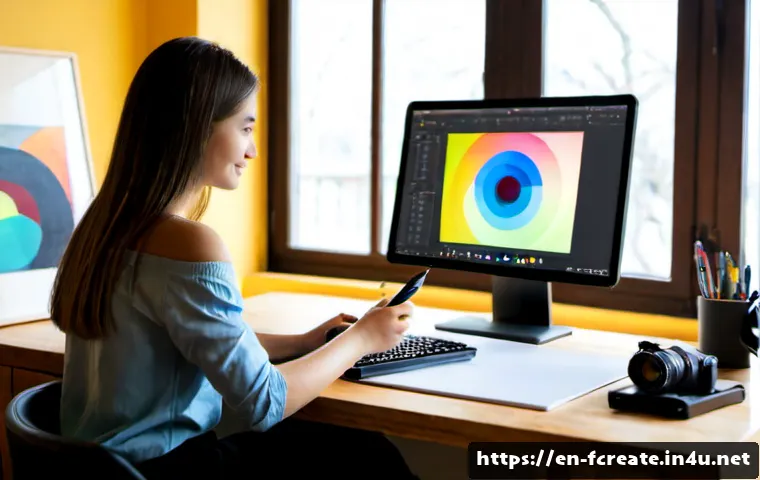
The way art is created today is undergoing a profound transformation. AI-powered tools are no longer just assistants; they’re becoming collaborators that generate ideas, suggest color palettes, compose melodies, and even produce full artworks from scratch.
From my own experience experimenting with AI art generators, I noticed how these systems speed up the initial brainstorming phase, offering unexpected combinations and styles I might never have considered.
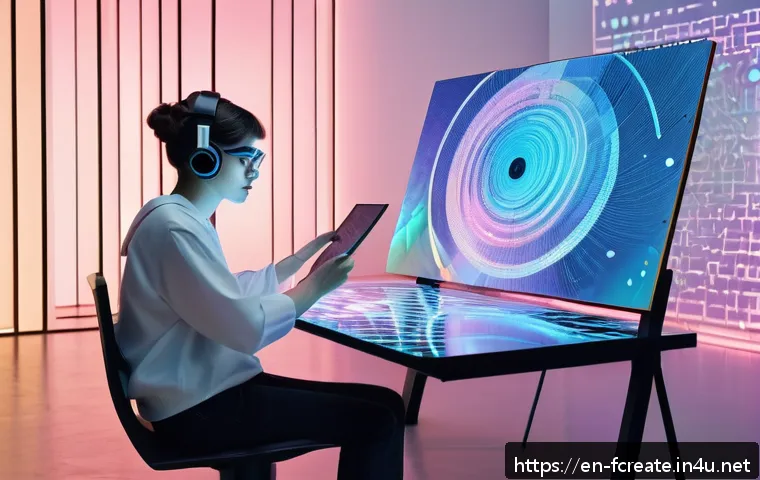
This shift raises questions about the artist’s role—are we simply curators or co-creators now? The creative process, once deeply personal and manual, is becoming a hybrid of human intuition and machine calculation, blurring the lines between author and tool.
Redefining Originality in the Age of Algorithms
Originality has always been a cornerstone of artistic value, but AI art challenges this idea in unique ways. Since AI models learn from vast datasets of existing artworks, their creations inevitably reflect a mix of influences rather than pure invention.
However, originality doesn’t have to mean absolute novelty; it can also emerge from how these influences are combined and reinterpreted. Personally, I find that AI-generated pieces often surprise me with fresh aesthetics precisely because they remix styles in ways humans might overlook.
This prompts a reevaluation: is originality about the spark of creation or the meaningful arrangement of existing elements? The debate is far from settled, but it’s clear that our definitions must evolve.
Balancing Human Vision and Machine Assistance
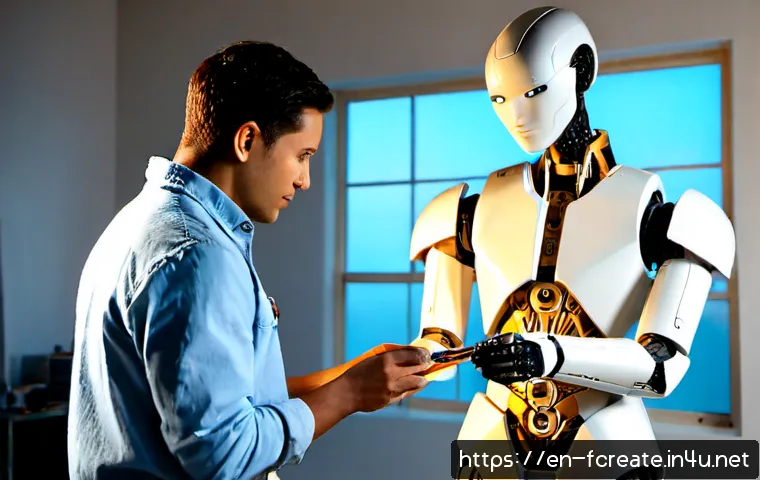
Another interesting aspect is the dynamic between human artists and AI systems. Some creators treat AI as a brush or instrument, fully controlling the output, while others let the machine take the lead and then refine the results.
I’ve tried both approaches, and each offers different rewards and challenges. When I guide the AI closely, the work feels more personal but sometimes less surprising.
When I allow more freedom, the AI’s unpredictability can lead to unexpected beauty but also requires more effort to curate and contextualize. This balance shapes the final piece’s emotional depth and cultural resonance, influencing how audiences connect with the art.
Perceptions of Value in AI Art Markets
Collectors’ Growing Interest and Skepticism
The art market’s reaction to AI-generated works is mixed but increasingly nuanced. Some collectors are eager to invest, seeing AI art as the future and a way to diversify their portfolios.
High-profile auctions have featured AI pieces fetching impressive sums, signaling a degree of acceptance and curiosity. Yet, many traditional collectors remain cautious, questioning the longevity and authenticity of these works.
I’ve spoken with gallery owners who worry that AI art might lack the emotional backstory or human struggle often prized in conventional art. This tension highlights a broader challenge: convincing audiences and investors that machine-assisted creation can carry genuine cultural weight.
How Galleries and Exhibitions Showcase AI Creations
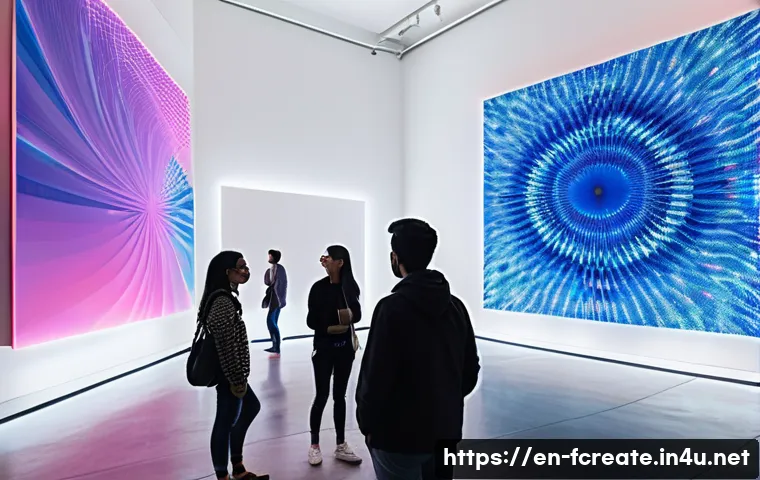
Physical and virtual galleries are experimenting with how best to present AI art. Some exhibitions emphasize the technology behind the work, offering viewers insight into the algorithms and datasets used.
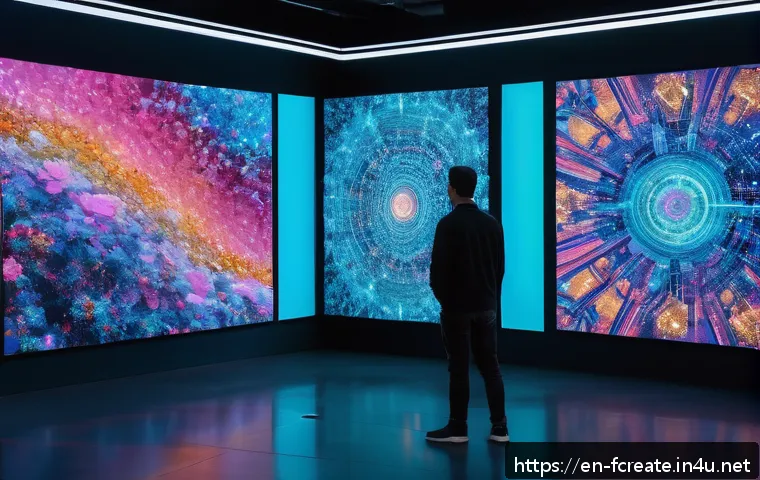
Others focus on the sensory and emotional impact, blurring the line between digital innovation and traditional artistic experience. From visiting several AI art shows myself, I noticed that immersive displays—combining visuals, sound, and interactivity—tend to engage visitors more deeply.
These exhibitions often spark lively discussions about the nature of creativity, inviting audiences to reconsider their preconceived notions about art and the artist’s role.
Economic Models and Copyright Challenges
The financial and legal frameworks surrounding AI art are still evolving. Copyright laws were designed for human creators, leaving ambiguity about ownership and rights when a machine generates the work.
From what I’ve gathered, this creates complications for artists, collectors, and platforms trying to monetize AI art. Some marketplaces assign ownership to the user who prompts the AI, while others are exploring new licensing models.
This uncertainty affects pricing, resale, and the ability to protect original creations. As the field matures, clearer regulations will be crucial to support sustainable economic ecosystems around AI-generated art.
The Emotional Resonance of Machine-Made Art
Can AI Art Evoke Genuine Feelings?
One of the most debated points is whether AI art can truly move people emotionally. Skeptics argue that machines lack consciousness and intent, so their works are inherently hollow.
However, my personal encounters with AI-generated music and visual art have challenged this view. I’ve found that emotional impact often depends less on the creator’s nature and more on the viewer’s interpretation and context.
An AI piece might not carry human memories, but it can still evoke nostalgia, wonder, or melancholy through color, form, and rhythm. This suggests that emotional resonance is a shared experience, not solely tied to human authorship.
Audience Engagement and Interpretation
How audiences engage with AI art varies widely. Some are fascinated by the technology and see the art as a conversation starter about the future of creativity.
Others focus more on the aesthetic qualities or conceptual themes rather than the creator’s identity. I’ve noticed that when viewers understand the AI’s role, their curiosity often deepens, leading to more thoughtful reflection.
This interaction can foster new ways of appreciating art, where the process and tools become part of the narrative. Ultimately, AI art invites audiences to become active participants in meaning-making rather than passive observers.
Bridging the Gap Between Human and Machine Expression
AI art occupies a unique space between cold computation and human expression. While machines lack feelings, their outputs can act as mirrors reflecting human culture, desires, and fears embedded in training data.
This creates a fascinating dialogue where AI-generated works serve as a kind of cultural echo. From my perspective, this interplay enriches the artistic landscape by introducing fresh perspectives and challenging entrenched ideas about creativity.
Rather than replacing human artists, AI expands the toolkit and invites us to rethink what it means to express ourselves visually and sonically.
Technical Innovations Driving AI Art’s Evolution
Advances in Generative Models and Algorithms
The rapid development of generative AI models like GANs (Generative Adversarial Networks) and diffusion models has been a game changer. These technologies allow machines to create highly detailed, stylistically diverse images and sounds that rival human craftsmanship.
I’ve experimented with several platforms powered by these models and was amazed at the quality and variety they produce. Improvements in training techniques and data curation continuously push the boundaries of what’s possible, enabling artists to explore new styles and mediums.
This technical progress fuels both creative potential and market interest.
The Role of Big Data and Training Sets
AI art relies heavily on massive datasets containing millions of images, sounds, or text snippets. The choice and scope of these datasets directly influence the output’s style and originality.
From what I’ve observed, curating diverse and ethically sourced data is crucial to avoid bias and foster innovation. Some AI artists actively select or create specialized training sets to tailor the AI’s “taste” and aesthetic preferences.
This customization adds a layer of human intentionality to the otherwise automated process, making the AI a unique collaborator rather than a generic tool.
Integration with Traditional Artistic Tools
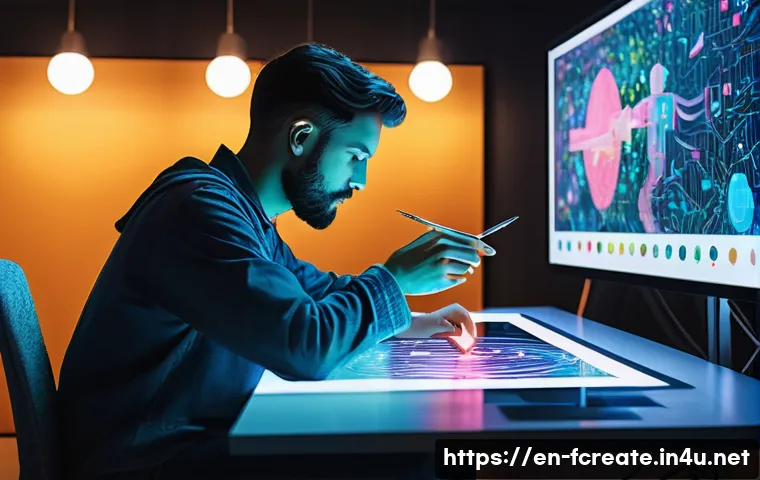
Many artists blend AI capabilities with conventional methods, using digital painting software, 3D modeling, or analog techniques alongside AI-generated content.
This hybrid approach offers the best of both worlds: the precision and speed of AI with the tactile nuance of human skill. I personally use AI-generated sketches as a springboard, then refine and personalize the work manually.
This synergy expands creative freedom while preserving artistic identity. It also opens new avenues for experimentation and expression that neither humans nor machines could achieve alone.
Ethical Questions and Cultural Impacts
Ownership and Authorship Dilemmas
The question of who truly “owns” AI-generated art sparks intense debate. Is it the programmer who created the AI? The user who provided the prompts?
Or the AI itself? These issues have real-world implications for royalties, credit, and moral rights. I’ve encountered artists who feel uneasy about sharing credit with a machine, while others embrace the collaborative spirit.
Resolving these dilemmas requires thoughtful policies balancing innovation with fairness, ensuring artists’ contributions aren’t overshadowed by technology.
Bias and Representation in AI Art
Because AI systems learn from existing data, they can unintentionally reproduce or amplify cultural biases. This can lead to stereotyped or exclusionary representations that fail to reflect diverse perspectives.
From my research, addressing bias involves both improving dataset diversity and involving human oversight throughout the creative process. Artists and developers working together can mitigate these risks, promoting AI art that is inclusive and socially responsible.
This effort is essential for AI art to gain wider acceptance and legitimacy.
Impact on the Future of Art Communities
AI art is reshaping how artists connect, collaborate, and share their work. Online platforms hosting AI-generated content foster vibrant communities exchanging tips, feedback, and inspiration.
From participating in some forums, I’ve seen how newcomers and veterans alike benefit from this dynamic ecosystem. However, there’s also concern about AI replacing jobs or devaluing traditional skills.
Balancing technological advancement with respect for human artistry will determine how these communities evolve and thrive in the coming years.
| Aspect | Human-Made Art | AI-Generated Art |
|---|---|---|
| Creativity Source | Human imagination, emotions, experiences | Algorithmic synthesis from data patterns |
| Originality | Unique, often subjective and novel | Remix of existing works with new combinations |
| Emotional Connection | Direct, based on artist’s intent and story | Indirect, shaped by viewer interpretation |
| Market Perception | Established value and prestige | Emerging, mixed acceptance and skepticism |
| Legal Ownership | Clear copyrights and moral rights | Currently ambiguous, evolving frameworks |
| Creative Process | Manual and intuitive | Collaborative between human and machine |
| Technical Dependency | Minimal, traditional tools | High, requires computational resources |
Emerging Opportunities for Artists and Collectors
New Revenue Streams and Platforms
AI art is opening up fresh opportunities for monetization. Artists can sell AI-generated pieces on digital marketplaces, issue limited edition NFTs, or license works for commercial use.
From my experience advising creatives, embracing AI tools can unlock income channels previously unavailable, especially in the fast-growing digital art space.
Collectors, meanwhile, gain access to innovative artworks that combine technology and aesthetics, often at a fraction of traditional art prices. This democratization broadens participation and investment possibilities.
Collaborations Between Humans and AI
Rather than viewing AI as a competitor, many artists are embracing it as a partner. Collaborative projects where human creativity guides AI output are producing unique hybrid artworks.
I’ve witnessed artists integrating AI-generated textures, patterns, or motifs into larger compositions, adding depth and complexity. These partnerships push artistic boundaries and inspire experimentation, encouraging creatives to think beyond conventional methods.
Such synergy also enriches the art world by blending diverse perspectives and skill sets.
Educational and Creative Skill Development
AI art tools serve as powerful learning aids, helping artists explore new styles and techniques quickly. From my own teaching experience, introducing AI in art classes sparks curiosity and motivates students to experiment without fear of failure.
These tools also lower barriers to entry for newcomers, making creative expression more accessible. As AI becomes a standard part of the artistic toolkit, developing fluency in these technologies will be essential for future generations of artists to stay competitive and innovative.
Challenges in Preserving and Authenticating Digital Art
Ensuring Longevity and Access
Digital and AI-generated art faces unique preservation challenges. Unlike physical paintings or sculptures, digital files can be corrupted, lost, or become obsolete as technology evolves.
From working with digital archives, I understand the importance of robust storage solutions and standardized formats to ensure artworks remain accessible over time.
Galleries and collectors must invest in digital conservation strategies to safeguard cultural heritage in this new medium.
Authentication and Provenance Issues
Determining the authenticity of AI art can be tricky because multiple copies can be generated easily, and provenance records may be incomplete or unclear.
Blockchain technology and NFTs have emerged as possible solutions, providing transparent ownership records and provenance tracking. I’ve seen how this can increase buyer confidence and protect artists’ rights.
Still, the field is young, and widespread adoption will require education and infrastructure improvements to fully realize these benefits.
Balancing Innovation with Trust
For AI art to gain broader acceptance, the community needs to build trust around its creation, ownership, and value. This means developing reliable authentication methods, transparent marketplaces, and ethical standards.
From conversations with collectors and curators, trust is the foundation of any art market’s sustainability. As the technology and cultural understanding mature, balancing cutting-edge innovation with proven practices will be key to fostering confidence among all stakeholders.
Conclusion
The landscape of artistic creation is evolving rapidly with the integration of AI technologies. This fusion of human creativity and machine intelligence challenges traditional notions of originality, authorship, and emotional connection. As AI art continues to grow, it offers exciting opportunities while raising important questions about value, ethics, and preservation. Embracing these changes thoughtfully will shape the future of art in meaningful ways.
Useful Information to Know
1. AI tools can accelerate the creative process by generating novel ideas and combinations, serving as valuable collaborators rather than mere assistants.
2. Originality in AI art often comes from the unique remixing of existing styles, which invites a fresh perspective on what creativity truly means.
3. The art market is gradually adapting to AI-generated works, though skepticism remains around authenticity and emotional depth.
4. Preservation and authentication of digital and AI art require new strategies, including blockchain and standardized storage solutions.
5. Collaboration between human artists and AI opens new avenues for creativity, education, and monetization in the digital era.
Key Takeaways
The integration of AI into art creation is reshaping how we define creativity, ownership, and emotional impact. Artists and collectors must navigate evolving legal and ethical landscapes while embracing new technical possibilities. Building trust through transparent practices and thoughtful curation will be essential for AI art’s sustained acceptance. Ultimately, AI is expanding—not replacing—human artistic expression, fostering innovation and broadening access to creative opportunities.
Frequently Asked Questions (FAQ) 📖
Q: Can
A: I-generated art truly be considered creative if it is produced by algorithms rather than human emotions? A1: This is a hot topic! While AI art is created through complex algorithms and data patterns, it lacks the emotional experiences and personal narratives that human artists pour into their work.
However, AI can combine styles and ideas in novel ways that sometimes surprise even seasoned artists, sparking new creative possibilities. So, while AI-generated art might not reflect human feelings directly, it opens fresh avenues for creativity that challenge how we traditionally define it.
Q: How do collectors and galleries view the value of
A: I-generated art compared to traditional artworks? A2: Opinions vary widely. Some collectors and galleries are excited by AI art’s innovative edge and see it as a new frontier worth investing in, especially as technology evolves.
They appreciate the uniqueness and technical mastery behind these pieces. On the other hand, skeptics question the authenticity and emotional depth of AI art, often placing higher value on human craftsmanship and storytelling.
From what I’ve seen, the market is still finding its balance, with prices and acceptance gradually growing as more people experience AI art firsthand.
Q: What impact does
A: I-generated art have on the future of artistic expression and originality? A3: AI art is reshaping the creative landscape by pushing boundaries around originality and authorship.
It challenges the notion that art must stem solely from human hands and minds. Instead, it encourages collaboration between humans and machines, leading to hybrid forms of expression.
This shift invites us to rethink what originality means—perhaps it’s less about who physically creates the piece and more about the concept and innovation behind it.
Personally, I find this evolution exciting because it expands the toolkit artists can use to express themselves in ways previously unimaginable.