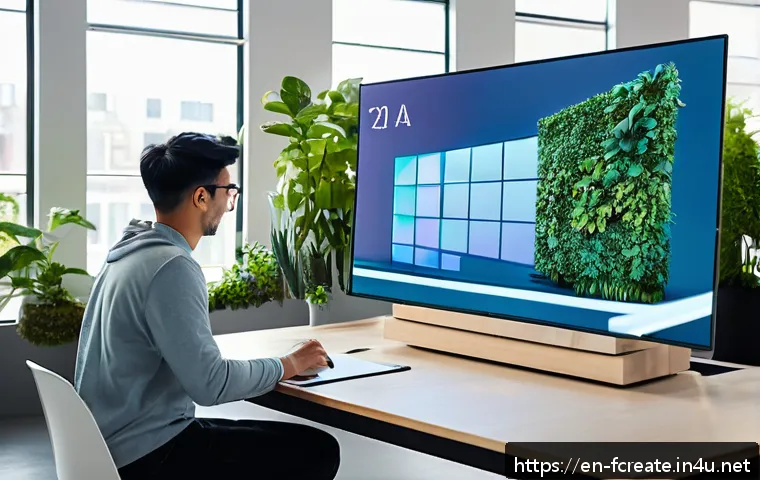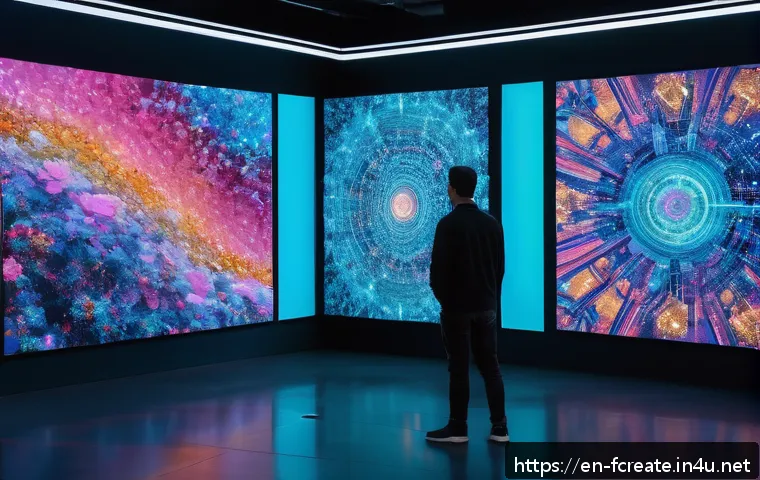
Lately, AI’s role in creative fields has been sparking a fascinating conversation about the future of artistic expression. More than just tools, machines are evolving to collaborate with human emotions, opening doors to new, unexpected forms of creativity.
Whether you’re an artist curious about digital innovation or simply intrigued by how technology shapes culture, this shift is something you won’t want to miss.
Let’s dive into how AI is not only transforming art but also unlocking emotional depths that were once thought uniquely human. Stick around—you might just discover a fresh perspective on creativity itself.
Bridging Technology and Emotion in Artistic Creation
How AI Learns to Interpret Human Feelings
Artificial intelligence has come a long way from simple pattern recognition to actually interpreting and mimicking human emotions. What’s really fascinating is how neural networks analyze vast datasets of art, literature, music, and even social media interactions to understand emotional cues.
For example, AI models now can detect the subtle nuances in a poem’s tone or a painting’s color palette and relate them to feelings like melancholy or joy.
This learning process allows AI to generate creative content that resonates emotionally with human audiences, blurring the line between human intuition and machine calculation.
From my experience exploring AI-generated art, it’s clear that these systems don’t just spit out random visuals or text—they seem to grasp the mood and intent behind the work, which is truly impressive.
Collaborative Creativity: When Artists and AI Co-Create
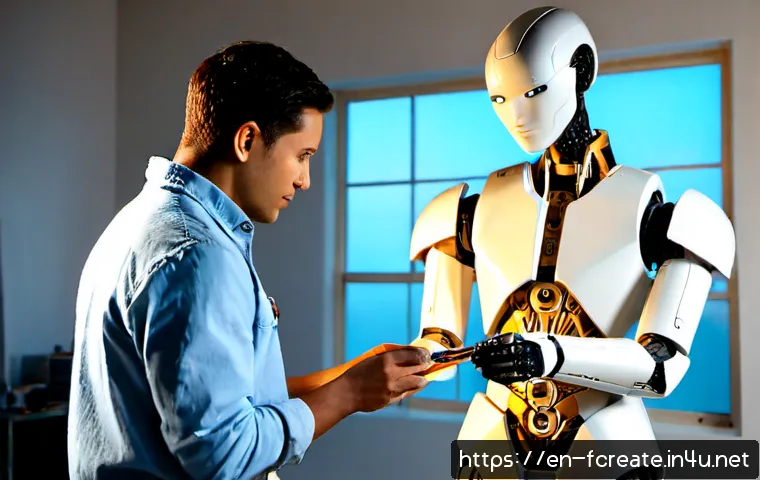
The real magic happens when human artists team up with AI tools rather than relying on them as replacements. This partnership unleashes a new wave of creativity where AI acts like a co-pilot—offering unexpected ideas, variations, or even emotional depth that artists might not have considered.
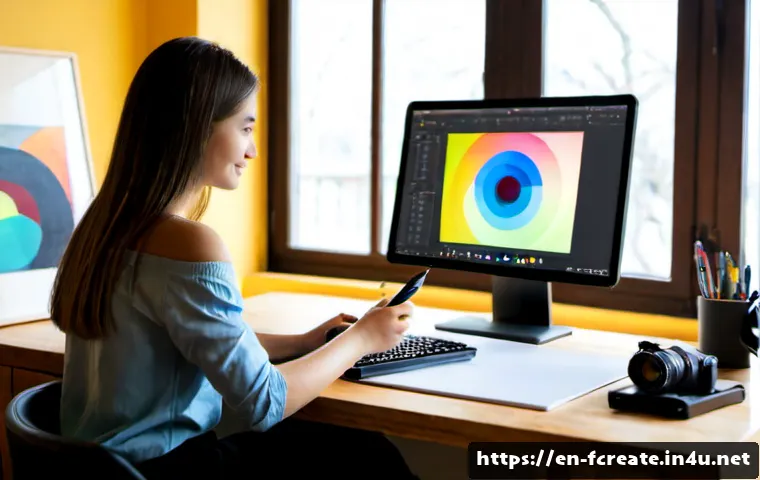
For instance, a digital painter might use AI to generate background textures based on emotional themes they want to evoke, then layer their personal touch on top.
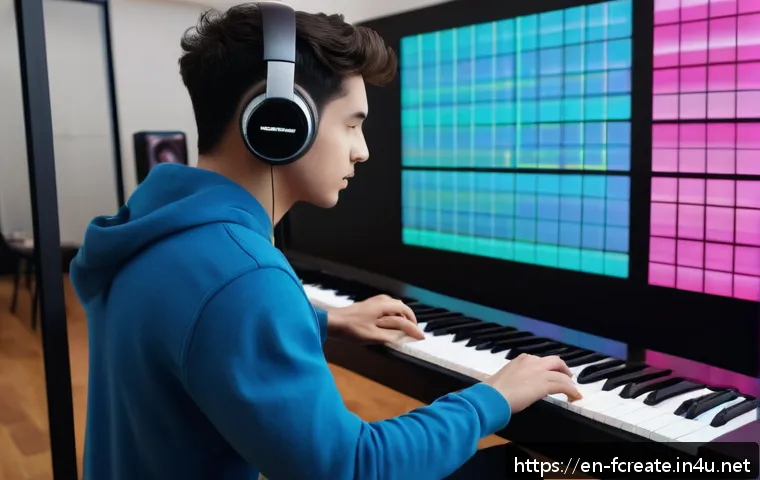
I’ve seen musicians use AI to suggest chord progressions that evoke a specific mood, sparking inspiration that drives their compositions forward. This collaborative process feels more like a creative dialogue, where human intuition guides the AI’s capabilities, resulting in works that are richer and more nuanced than either could produce alone.
The Emotional Impact of AI-Driven Art on Audiences
One of the most surprising outcomes of AI-created art is how audiences emotionally engage with it. You might expect that knowing a machine made a piece would lessen its impact, but that’s not always the case.
In fact, many people report feeling moved or inspired by AI-generated works, sometimes even more so because they recognize the blend of human and machine effort.
This emotional response challenges traditional ideas about authenticity and creativity, forcing us to reconsider what it means for art to be “genuine.” From live exhibits where AI creates paintings in real-time to interactive installations responding to viewers’ emotions, the engagement factor is off the charts.
Personally, witnessing these reactions made me realize that emotional connection in art isn’t about who made it, but about how deeply it speaks to us.
Unlocking New Creative Dimensions with AI
Expanding the Palette: Beyond Traditional Mediums
AI isn’t limited to mimicking existing art styles; it pushes boundaries by introducing entirely new forms of expression. For example, generative adversarial networks (GANs) can create surreal, otherworldly visuals that no human could imagine alone.
In music, AI composes pieces blending genres or inventing novel soundscapes, challenging listeners’ expectations. This expansion invites artists to experiment with mediums like virtual reality, augmented reality, or AI-driven interactive storytelling, where the narrative adapts based on audience emotions or decisions.
Having played around with some AI art tools myself, I found the possibilities thrilling—each experiment led to unexpected results that sparked fresh ideas and broke creative blocks.
Personalization and Emotional Resonance in AI Creations
One of AI’s strengths lies in its ability to tailor creative outputs to individual preferences and emotional states. Imagine an AI that composes music reflecting your current mood or generates poetry inspired by your personal experiences.
This kind of personalization deepens emotional resonance, making art feel more intimate and meaningful. Some platforms already use AI to customize wellness apps with art and music designed to soothe or energize users based on biometric data.
From a practical standpoint, this means AI can not only create art but also become a tool for emotional support and self-expression, a concept that’s gaining traction in mental health and therapy circles.
Challenges and Ethical Considerations in Emotional AI Art
While the advances are exciting, they also come with challenges. For one, there’s the question of authenticity—can AI truly “feel” or is it merely simulating emotion?
This raises debates about the value and originality of AI-generated art. Additionally, biases in training data can influence the emotional outputs, sometimes reinforcing stereotypes or missing cultural nuances.
Artists and developers must navigate these ethical waters carefully to ensure inclusivity and respect for diverse emotional experiences. In my conversations with creators using AI, many emphasize the importance of transparency—being clear about AI’s role in the creative process to foster trust and understanding among audiences.
The Transformative Power of AI Across Artistic Disciplines
Visual Arts: From Concept to Creation
AI tools have revolutionized how visual artists conceptualize and realize their ideas. With AI-driven sketching and painting assistants, artists can quickly explore variations of a concept without tedious manual effort.
This speed not only boosts productivity but encourages risk-taking, as artists feel freer to experiment. For example, AI can generate multiple iterations of a character design or landscape, each evoking different moods or styles, helping artists refine their vision.
Personally, I’ve noticed that these tools also open doors for beginners who may lack technical skills but possess strong creative ideas, democratizing access to visual arts.
Music and Sound: Crafting Emotionally Rich Compositions
In music, AI’s ability to analyze vast libraries of songs and identify emotional patterns enables it to compose pieces that evoke specific feelings. Artists can collaborate with AI to generate melodies, harmonies, or rhythms tailored to desired moods, whether it’s uplifting, melancholic, or suspenseful.
What’s remarkable is how AI can blend genres seamlessly, creating fresh hybrids that push musical boundaries. From my experience attending AI-driven music performances, the emotional depth conveyed is often striking, challenging assumptions about machine-made music lacking soul or authenticity.
Literature and Storytelling: Enhancing Narrative Depth
AI’s role in literature extends beyond grammar checking or plot suggestions. Advanced language models now help writers develop complex characters, craft emotionally engaging dialogue, or even co-write entire stories.
This partnership can help overcome writer’s block and inspire unexpected narrative twists. Some storytellers use AI to analyze reader reactions and adapt plots dynamically in interactive fiction, creating immersive, emotionally responsive experiences.
I find this especially exciting because it transforms storytelling from a one-way communication into an evolving conversation between creator and audience.
How AI Tools Are Shaping the Future Creative Economy
New Opportunities for Artists and Creators
AI-powered creativity is opening new career paths and revenue streams for artists. From selling AI-enhanced art NFTs to licensing AI-composed music for advertising, creators are exploring innovative ways to monetize their work.
Platforms offering AI tools on subscription models enable even small-scale artists to produce high-quality content without massive budgets. My conversations with freelance creators reveal a growing sense of empowerment, as AI tools reduce entry barriers and allow them to compete globally.
This democratization is reshaping the creative economy into a more inclusive landscape.
Challenges in Monetizing AI-Generated Content
Despite opportunities, monetizing AI-created art isn’t without hurdles. Intellectual property rights remain murky—who owns a piece generated by an AI trained on countless human artworks?
Legal frameworks are still catching up, and disputes over attribution and royalties are emerging. Additionally, market acceptance varies; some collectors or audiences may undervalue AI art compared to traditional works.
Having navigated these complexities myself when experimenting with AI art sales, I can attest that transparency about AI involvement and clear licensing terms are critical to building credibility and trust in this evolving marketplace.
Impact on Traditional Creative Jobs
The rise of AI in creative fields sparks anxiety about job security among traditional artists, designers, and writers. While some fear displacement, others see AI as a tool to augment rather than replace human creativity.
In my view, the future lies in embracing hybrid workflows where AI handles repetitive or technical tasks, freeing human creators to focus on vision, emotion, and innovation.
This shift demands new skills, like understanding AI capabilities and ethical considerations, but ultimately expands creative potential rather than shrinking it.
Comparing AI Creativity Across Different Art Forms
| Art Form | AI Contribution | Emotional Engagement | Challenges |
|---|---|---|---|
| Visual Arts | Generates new images, assists in design, explores styles | High – visual impact, mood through color and form | Authenticity concerns, cultural bias |
| Music | Composes melodies, suggests harmonies, blends genres | High – mood setting, dynamic performances | Originality debates, market skepticism |
| Literature | Co-writes stories, develops characters, adapts narratives | Medium – dependent on reader interpretation | Ethical issues, loss of authorial voice |
| Film & Animation | Generates scripts, visual effects, character animation | High – immersive storytelling | Complexity in emotional nuance, technical demands |
Interactive Experiences: AI Creating Dynamic Art
Emotionally Responsive Installations
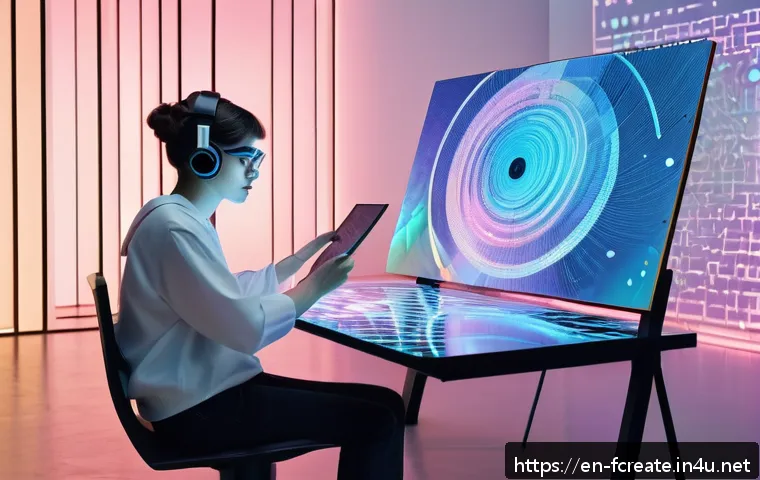
AI-driven installations are transforming how audiences interact with art. By using sensors and machine learning, these exhibits respond to viewers’ emotions in real time, changing visuals, sounds, or narratives based on detected mood.
For instance, an installation might brighten colors and play uplifting music if it senses joy, or shift to somber tones during moments of reflection. Experiencing such interactive art firsthand is immersive and deeply personal, making the viewer an active participant rather than a passive observer.
AI in Virtual and Augmented Reality Art
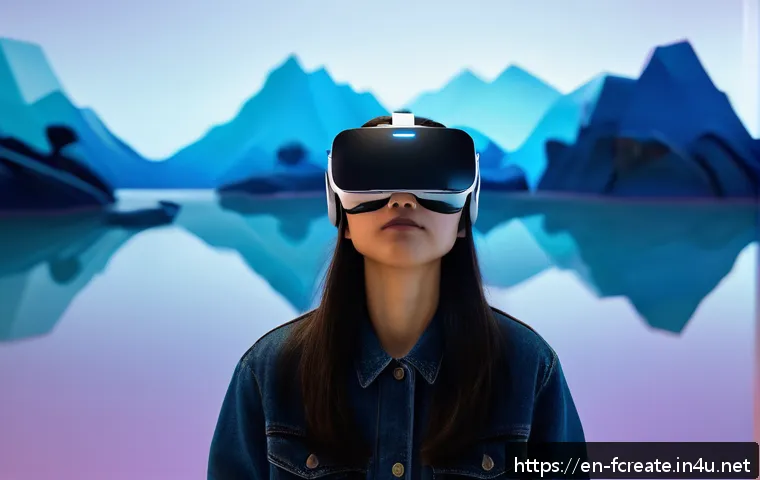
Virtual reality (VR) and augmented reality (AR) platforms powered by AI create fully immersive worlds where creativity flows without physical limits. AI can generate landscapes, characters, and storylines on the fly, adapting to user choices and emotions.
This dynamic environment encourages exploration and emotional engagement unlike traditional static art forms. From my own VR art experiments, the feeling of stepping into a living, breathing artwork shaped by AI is astonishingly vivid and emotionally stirring.
Personalized Artistic Journeys
Combining AI with interactive media allows for personalized artistic journeys tailored to individual preferences and emotional states. Whether through adaptive storytelling apps or music platforms that adjust playlists based on mood, AI crafts unique creative experiences for each user.
This personalization fosters a stronger emotional bond between the audience and the art, making creativity a shared, evolving experience rather than a fixed product.
It’s like having a personal artist who understands and reflects your inner world in real time.
Future Horizons: What’s Next for AI and Creativity?
Emerging Technologies and Their Potential
Looking ahead, technologies like quantum computing, advanced natural language processing, and emotional AI sensors promise to push creative collaboration with machines even further.
Imagine AI that can not only generate art but also empathize with creators, offering feedback or encouragement that feels genuinely supportive. These innovations could revolutionize how we think about creativity, making it a deeply interactive, evolving partnership between humans and machines.
Redefining Creativity in a Hybrid World
As AI becomes more integrated into creative workflows, the definition of creativity itself will evolve. It won’t be about human versus machine but about how both can combine strengths to create something new and meaningful.
This hybrid model invites us to rethink notions of originality, authorship, and emotional authenticity, embracing a more expansive and inclusive view of artistic expression.
Preparing for a Creative Renaissance
For artists, educators, and technologists, embracing AI’s creative potential means preparing for a renaissance where technology empowers rather than limits imagination.
Developing skills to collaborate effectively with AI, understanding its ethical implications, and fostering open-mindedness toward new forms of art will be crucial.
From what I’ve observed, those who adapt early are already shaping a vibrant, emotionally rich creative future that benefits everyone.
Conclusion
The fusion of AI and human creativity is reshaping the artistic landscape in exciting ways. As technology continues to evolve, it enhances our ability to express emotions and connect on deeper levels through art. Embracing this hybrid approach opens doors to new creative possibilities that neither humans nor machines could achieve alone. The future of art lies in collaboration, innovation, and emotional resonance fueled by both human intuition and AI’s capabilities.
Useful Information to Know
1. AI can analyze emotional cues in various art forms, enabling it to create content that resonates with human feelings.
2. Collaboration between artists and AI leads to richer, more nuanced creative works by combining human intuition with machine-generated ideas.
3. AI-generated art often evokes strong emotional responses from audiences, challenging traditional views on authenticity and creativity.
4. Emerging technologies like VR, AR, and advanced AI tools are expanding the boundaries of artistic expression beyond traditional mediums.
5. Ethical considerations and transparency about AI’s role are essential to maintaining trust and inclusivity in AI-driven art.
Key Takeaways
Understanding AI’s role in creativity means recognizing it as a collaborative partner rather than a replacement for human artists. While AI expands creative possibilities and accessibility, it also presents challenges like questions of authenticity, intellectual property, and cultural sensitivity. Embracing AI responsibly involves transparency, ethical awareness, and continuous adaptation to new technologies. Ultimately, the blend of human emotion and AI innovation promises a vibrant future where creativity is more inclusive, dynamic, and emotionally impactful than ever before.
Frequently Asked Questions (FAQ) 📖
Q: uestionsQ1: How is
A: I changing the way artists create and express themselves? A1: AI is shifting the creative process from purely human-driven to a collaborative dance between technology and emotion.
Artists can now use AI tools to generate ideas, experiment with styles, or even co-create pieces that blend human intuition with machine precision. This fusion often leads to unexpected, innovative outcomes that push traditional boundaries.
From my own experience, working alongside AI sparked ideas I wouldn’t have thought of alone, making the creative journey more dynamic and exciting.
Q: Can
A: I truly understand and replicate human emotions in art? A2: While AI doesn’t feel emotions like humans do, it can analyze patterns in emotional expression and replicate certain emotional cues in art.
By learning from vast datasets of human-created works, AI models can generate pieces that resonate emotionally with viewers. However, the depth and nuance of genuine human emotion remain unique to us.
Think of AI as a sensitive mirror reflecting human feelings, rather than a source of authentic emotion itself.
Q: Should artists be worried that
A: I will replace human creativity? A3: Rather than replacing artists, AI is more of a powerful collaborator. It can handle repetitive tasks or offer fresh perspectives, freeing artists to focus on their unique vision and emotional storytelling.
Many creators find AI tools enhance their workflow and open new creative avenues instead of threatening their role. From conversations with fellow artists, the consensus is clear: AI is a tool that expands creative potential, not a substitute for the human spark that makes art meaningful.