The creative world is buzzing with exciting changes as digital innovation takes center stage like never before. From AI-driven design tools to immersive virtual experiences, emerging technologies are reshaping how artists, designers, and storytellers bring ideas to life.
If you’ve ever wondered how these trends might redefine creativity and open new doors for expression, you’re in the right place. In this post, I’ll dive into the cutting-edge digital shifts that are transforming creative industries, sharing insights that could inspire your next big project.
Stick around—there’s a lot to explore in this brave new creative landscape.
The Rise of AI-Powered Creativity
How AI Is Becoming an Artist’s New Best Friend
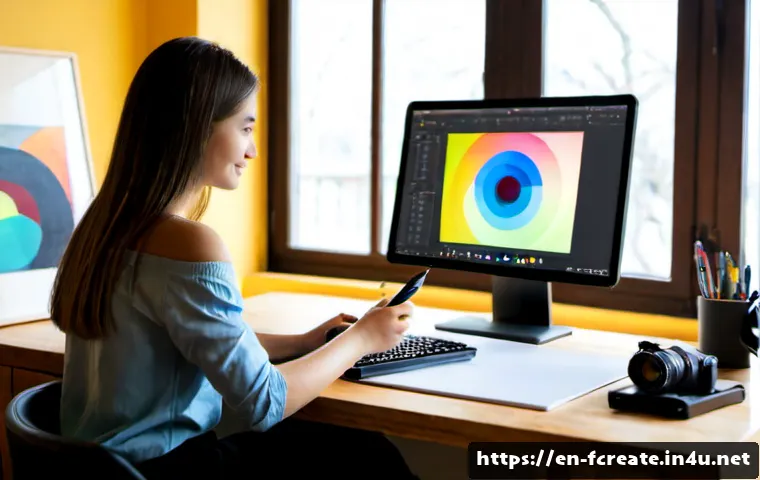
AI tools have evolved from simple automation to genuine creative partners, and the change is palpable. When I first experimented with AI-driven design software, I was amazed at how it could generate fresh ideas or suggest color palettes that I never would have considered.
This isn’t just about efficiency—it’s about expanding the creative horizon. Designers and artists can now explore concepts faster, iterate on multiple versions, and even collaborate with AI to push boundaries beyond human intuition.
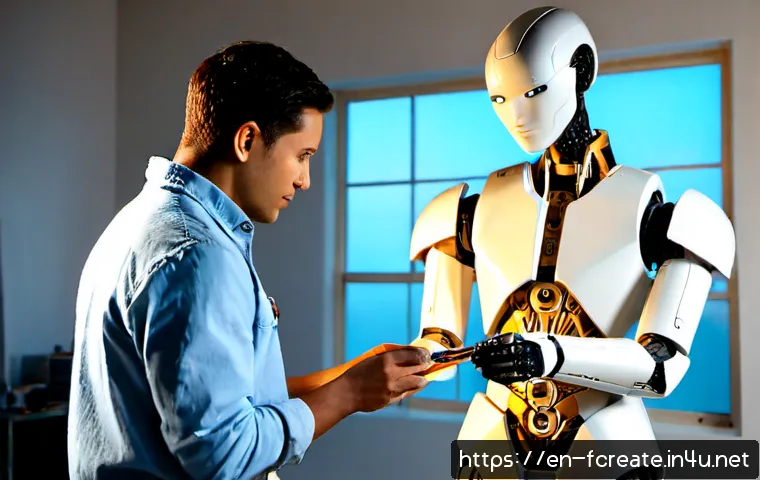
The interesting part is that AI doesn’t replace creativity; it amplifies it by handling repetitive tasks and offering unexpected inspiration that sparks new directions.
Balancing Automation and Personal Touch
While AI offers incredible assistance, maintaining a personal touch remains crucial. Many creatives I’ve spoken to express excitement but also caution, emphasizing the importance of human judgment and emotion in the creative process.
For example, AI can draft a story outline or generate visuals, but it’s the human artist who infuses meaning, context, and authenticity. This balance between AI efficiency and human artistry is shaping a new workflow where technology supports, not overshadows, the artist’s unique voice.
Ethical Considerations and Ownership
One tricky aspect of AI in creativity is intellectual property and ethics. If an AI tool generates artwork or music based on existing data, who truly owns the final product?
This question has sparked debates in creative communities and legal circles alike. From my perspective, transparency and clear guidelines are essential.
Creators should know how AI is trained and have control over the outputs. As this field matures, I expect more platforms to develop policies that protect artists while encouraging innovative uses of AI.
Virtual and Augmented Reality: New Dimensions of Storytelling
Immersive Experiences That Transform Audience Engagement
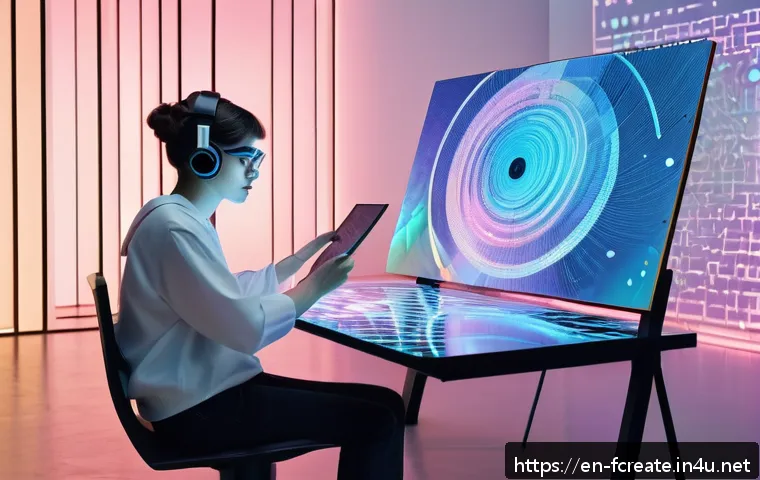
Virtual reality (VR) and augmented reality (AR) are no longer sci-fi concepts—they’re tools that storytellers and designers actively use to create deeply immersive experiences.
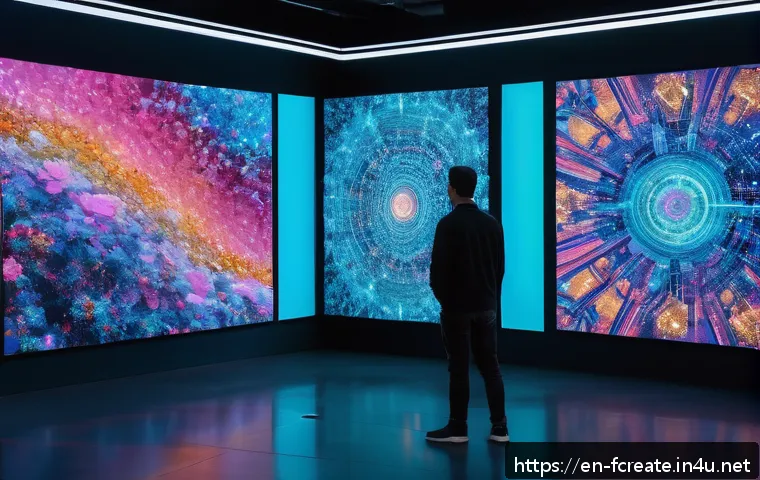
I remember attending an AR art exhibit that layered digital sculptures onto real-world environments through a simple smartphone app. The feeling of walking through a narrative that reacts to your presence was unlike any traditional art form.
These technologies allow creators to build worlds where audiences don’t just watch but participate, making storytelling a shared, dynamic adventure.
Challenges in Content Creation for VR/AR
Creating content for VR and AR isn’t without challenges. The technical demands are high, requiring specialized skills in 3D modeling, spatial audio, and interaction design.
Also, hardware limitations and user comfort can affect the experience. From my experience collaborating with VR developers, iterative testing and user feedback are crucial to ensure the content is engaging without causing motion sickness or fatigue.
Despite these hurdles, the payoff is huge—immersive content can evoke emotions and connections that are difficult to achieve through flat screens.
Opportunities for Brands and Creators
Brands have started leveraging VR and AR to offer novel marketing experiences, from virtual try-ons to interactive product demos. For creators, these platforms open new revenue streams, such as virtual galleries or AR filters.
The key is to think beyond gimmicks and focus on meaningful interaction. When done right, VR and AR can elevate brand storytelling and deepen user loyalty, creating memorable moments that resonate long after the experience ends.
Collaborative Platforms and the Democratization of Creativity
Online Spaces That Connect Global Creators
The internet has always been a great equalizer, but recent collaborative platforms have taken this to the next level. Tools like cloud-based design suites and real-time editing apps enable artists, writers, and musicians from different corners of the world to work together seamlessly.
I’ve personally joined projects where contributors never met face-to-face yet produced cohesive, polished work. These platforms break down geographical and financial barriers, making creativity more accessible and diverse than ever before.
Community-Driven Innovation
What’s fascinating about these collaborative hubs is how they foster community-driven innovation. Users share tips, remix each other’s work, and provide instant feedback.
This open exchange accelerates learning and sparks unexpected ideas. For example, open-source design communities have birthed entire new styles and techniques that spread rapidly.
Being part of such a community doesn’t just improve skills—it also builds relationships and a sense of belonging that fuels ongoing creativity.
Monetization and Sustainability for Creators
Collaboration platforms often incorporate monetization features like tipping, subscriptions, or direct sales, enabling creators to earn from their work without traditional gatekeepers.
From what I’ve seen, this model empowers indie artists to sustain their craft and experiment freely. However, creators need to balance exposure with fair compensation, and platforms must ensure equitable revenue sharing.
When this balance is struck, it creates a vibrant ecosystem where creativity thrives sustainably.
Data-Driven Insights Shaping Creative Decisions
Leveraging Analytics Without Losing Artistic Integrity
Data analytics are becoming a secret weapon for creators and marketers alike. Platforms now provide detailed insights into audience behavior—what content resonates, peak engagement times, and demographic breakdowns.
I’ve found that using this data helps tailor projects to audience preferences without compromising artistic vision. The trick is to view analytics as a guide, not a rulebook.
For example, a musician might notice fans respond more to intimate acoustic tracks and decide to explore that style further while staying true to their identity.
Predictive Tools and Trend Forecasting
Emerging AI-powered predictive tools analyze patterns across social media and cultural trends to forecast what’s likely to become popular. This gives creators a strategic advantage in timing releases or experimenting with themes.
However, relying too heavily on trend chasing can dilute originality. The best approach I’ve seen combines trend awareness with a strong personal or brand voice, creating work that feels both fresh and authentic.
Privacy and Ethical Use of Audience Data
With great data comes great responsibility. Creators must be mindful of privacy concerns and ethical data use. Transparency about what data is collected and how it’s used builds trust with audiences.
Personally, I always advocate for opting into data sharing rather than automatic tracking, ensuring that engagement is consensual. Respecting audience privacy not only aligns with legal standards but also strengthens long-term relationships.
Creative Tools That Simplify Complex Processes
Next-Gen Software for Streamlined Production
The creative software landscape is rapidly evolving, with new tools designed to simplify traditionally complex tasks. From AI-assisted video editing to intuitive 3D modeling platforms, these innovations lower the barrier to entry for many creators.
I recall struggling with intricate animation software years ago, but now, beginner-friendly apps allow anyone to produce professional-quality work. This democratization empowers diverse voices and encourages experimentation without steep learning curves.
Integration Across Platforms for Seamless Workflow
Modern creative tools emphasize integration, allowing smooth transitions between different stages of production. For instance, designers can start a concept in a sketch app, refine it in a vector program, and animate it in a video editor—all while syncing assets in the cloud.
This interconnected workflow saves time and reduces frustration. From personal experience, having all tools communicate effectively boosts productivity and keeps creative momentum alive.
Subscription Models and Accessibility
Many creative platforms have adopted subscription models, offering affordable access to powerful features without hefty upfront costs. This shift makes premium tools accessible to freelancers and small studios who might otherwise be priced out.
On the flip side, it requires creators to stay subscribed to maintain access, which can be a financial consideration. Overall, the trend toward flexible pricing and cloud-based services supports a more inclusive creative ecosystem.
Emerging Formats Changing How Stories Are Told
Short-Form Content’s Impact on Creativity
The rise of platforms like TikTok and Instagram Reels has revolutionized storytelling by popularizing short-form video content. Creators are challenged to captivate audiences in just seconds, sparking a wave of inventive techniques like rapid cuts, clever text overlays, and viral trends.
I’ve experimented with this format and noticed how it demands a sharp focus on essentials—every frame counts. This brevity forces creators to distill messages and emotions in fresh, compelling ways.
Interactive Narratives and Choose-Your-Own-Adventure
Interactive storytelling is gaining traction, where audiences influence plot outcomes through choices or actions. This format blurs the line between creator and consumer, making stories more engaging and personalized.
I recently explored an interactive webcomic where readers could decide character paths, and the sense of agency made the experience deeply immersive. Creators embracing this approach must consider branching narratives and dynamic content delivery, which can be complex but rewarding.
Podcasting and Audio-First Experiences
Audio content remains a powerful storytelling medium, with podcasting expanding into serialized dramas, investigative journalism, and immersive soundscapes.
The intimacy of voice creates strong emotional connections. I’ve found that scripting and sound design are critical to holding listeners’ attention. As smart speakers and audio apps evolve, opportunities to innovate with spatial audio and interactivity are growing, making audio-first creativity a vibrant frontier.
Comparing Digital Creativity Tools: Features and Benefits
| Tool | Primary Use | Key Features | Ideal For |
|---|---|---|---|
| Adobe Creative Cloud | Design, Video, Photography | Comprehensive suite, cloud sync, AI tools | Professionals and agencies |
| Canva | Graphic Design | Drag-and-drop, templates, collaboration | Beginners and marketers |
| Blender | 3D Modeling and Animation | Open-source, powerful rendering, scripting | Animators and indie developers |
| Procreate | Digital Illustration | Intuitive interface, brush customization, Apple Pencil support | Illustrators and artists |
| Figma | UI/UX Design | Real-time collaboration, prototyping, cloud-based | Design teams and startups |
Closing Thoughts
As creativity continues to evolve alongside technology, the fusion of human ingenuity and digital tools opens endless possibilities. Embracing AI, VR, and collaborative platforms empowers creators to push boundaries while preserving their unique voice. The future of creative expression is not about replacing artists but enhancing their potential in exciting, meaningful ways.
Helpful Information to Keep in Mind
1. AI tools serve as creative collaborators, offering fresh ideas and efficiency but require human emotion and judgment to add true meaning.
2. Virtual and augmented reality transform storytelling into immersive experiences, inviting audiences to actively participate rather than just observe.
3. Collaborative platforms break down barriers, enabling creators worldwide to connect, innovate, and monetize their work more sustainably.
4. Using data analytics wisely can guide creative decisions without compromising originality or audience trust.
5. Emerging formats like short-form videos, interactive narratives, and audio-first content demand new skills but open fresh avenues for engagement.
Key Takeaways
Understanding how technology complements rather than replaces creativity is essential for modern creators. Balancing innovation with ethics and personal authenticity builds trust and lasting impact. Embracing collaborative and data-driven tools fosters diverse, sustainable creative ecosystems. Lastly, staying adaptable to emerging formats ensures ongoing relevance in a rapidly changing digital landscape.
Frequently Asked Questions (FAQ) 📖
Q: uestionsQ1: How are
A: I-driven design tools changing the creative process? A1: AI-driven design tools are revolutionizing creativity by automating routine tasks like image editing, layout adjustments, and even generating design suggestions based on data patterns.
From my experience, these tools free up more time to focus on the conceptual side of projects, allowing artists and designers to experiment boldly without getting bogged down by technical details.
For example, AI can quickly generate multiple design variations, helping creatives discover fresh ideas they might not have thought of otherwise.
Q: What role do immersive virtual experiences play in storytelling?
A: Immersive virtual experiences transform storytelling by placing audiences directly inside the narrative world. Unlike traditional media, VR and AR enable users to interact with characters and environments, making stories more engaging and memorable.
I’ve noticed that this hands-on approach often leads to deeper emotional connections and greater audience involvement, which is a game-changer for brands, filmmakers, and educators aiming to captivate their audience in new ways.
Q: How can creatives stay ahead in this rapidly evolving digital landscape?
A: Staying ahead requires a mindset open to continuous learning and experimentation. Creatives should actively explore emerging technologies, attend workshops, and collaborate across disciplines.
Personally, I’ve found that joining online communities focused on digital innovation offers valuable insights and inspiration. Embracing new tools doesn’t mean abandoning traditional skills; instead, combining both can unlock unique creative possibilities that keep your work fresh and relevant.