Lately, the rise of AI-generated art has sparked heated conversations across creative communities and tech circles alike. As algorithms become more sophisticated, they’re not just tools but collaborators, pushing the boundaries of what we consider creativity.
This fascinating shift raises important questions about originality and the very essence of artistic authenticity in our digital era. Whether you’re an artist, collector, or simply curious, understanding how AI reshapes creativity is essential in today’s fast-evolving landscape.
Let’s dive into how this technology is challenging traditional norms and opening new doors for expression.
The New Dynamics of Creativity in the AI Era
Blurring the Lines Between Creator and Machine
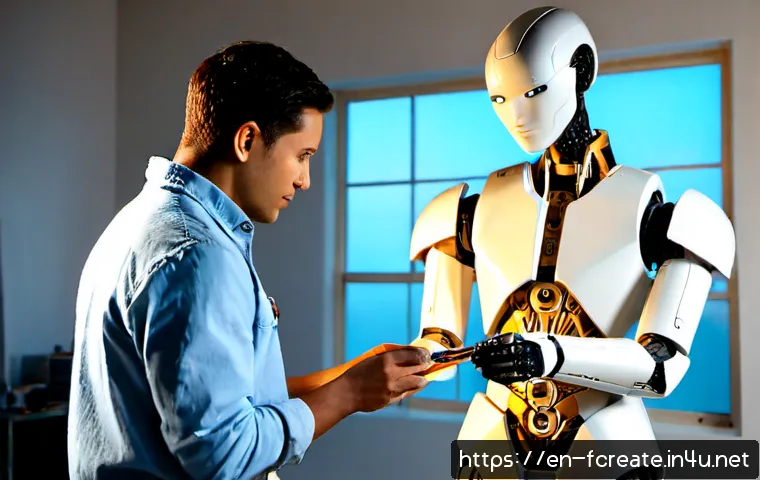
The evolving relationship between artists and AI tools is reshaping how we view creativity itself. Instead of seeing AI as a mere instrument, many creatives now treat these algorithms as collaborators.
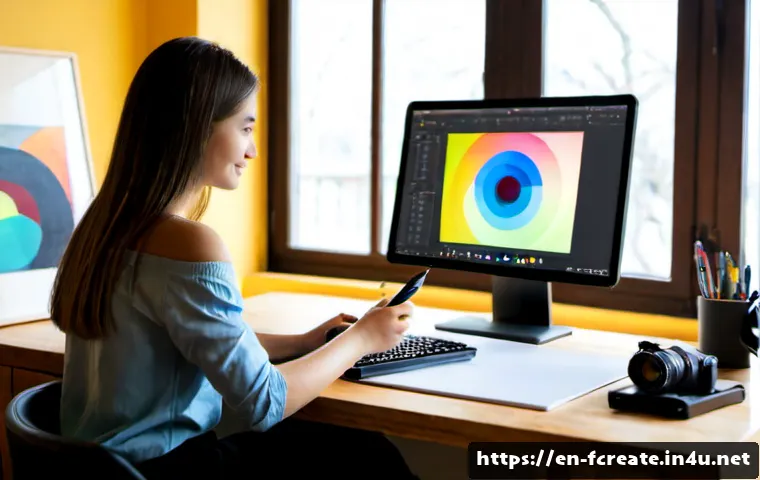
When I experimented with AI-assisted design software, I noticed how it pushed me to think beyond my usual style, introducing unexpected patterns and color combinations that I might never have considered.
This dynamic partnership challenges the traditional notion of a lone artist toiling in solitude; instead, creativity becomes a dialogue between human intuition and machine-generated suggestions, blending technical precision with human emotion in unprecedented ways.
Expanding Artistic Possibilities Beyond Human Limits
AI’s capacity to analyze vast datasets and generate countless variations rapidly means artists can explore concepts at speeds unattainable before. For example, when I tried an AI tool that generated abstract art from simple prompts, it produced iterations that helped me discover new visual languages within minutes.
This accelerates the creative process and allows artists to experiment with styles and themes without the constraints of physical media or manual labor.
The ability to remix, mutate, and evolve ideas through AI opens doors to entirely new forms of artistic expression, where the traditional boundaries of medium and technique dissolve.
Challenges to Authenticity and Ownership
With AI contributing so heavily to the creative process, questions arise about who truly owns the final artwork. Is it the programmer who wrote the algorithm, the user who input the prompts, or the AI itself?
During discussions with fellow artists, I realized this ambiguity often leads to discomfort and debate, especially in commercial contexts like galleries or licensing.
The legal frameworks have yet to catch up, leaving creators uncertain about copyright and royalties. This complexity forces us to rethink the essence of originality and authenticity—concepts that have been foundational to art for centuries but now require fresh perspectives in the digital age.
Transforming Traditional Art Markets and Collecting
How AI Art is Changing Collector Behavior
Collectors are increasingly interested in AI-generated pieces, intrigued by the fusion of human creativity and machine innovation. I spoke with a few art collectors who mentioned that owning AI art feels like holding a piece of the future—an intersection of technology and culture.
Unlike conventional artworks, AI art often comes with metadata detailing its creation process, adding layers of transparency and narrative that appeal to tech-savvy buyers.
This shift is creating new niches within the art market, where provenance and the story behind the algorithm become as important as the visual appeal.
New Platforms and Formats for AI Art Sales
Online marketplaces and NFT platforms have become vital in distributing AI-generated art, offering artists and collectors a decentralized way to connect.
When I explored these platforms, I noticed how they democratize access, allowing emerging artists to showcase AI-driven creations without traditional gatekeepers like galleries.
These platforms also provide smart contracts that can automate royalty payments, ensuring creators benefit from secondary sales. This digital infrastructure is transforming how art is bought, sold, and valued, creating more fluid and dynamic markets.
Impacts on Art Valuation and Authenticity Verification
Valuing AI-generated art requires new criteria beyond traditional metrics like artist reputation or medium rarity. The provenance of the dataset, the algorithm used, and the degree of human input all factor into determining worth.
During a recent panel discussion, experts debated how to verify authenticity when the artist’s hand is indirect. Blockchain technology is increasingly adopted to maintain transparent records, but the subjective nature of art means valuation remains complex.
This evolving landscape challenges collectors and appraisers to develop innovative approaches that respect both artistic merit and technological novelty.
Ethical Considerations and Cultural Impact
Addressing Bias and Representation in AI Art
AI models learn from existing datasets, which can inadvertently perpetuate biases present in those sources. From my experience reviewing AI-generated portraits, I observed that certain demographics were underrepresented or stereotyped, reflecting the data’s inherent limitations.
This raises ethical questions about inclusivity and fairness in AI art production. Artists and developers must actively curate diverse datasets and implement safeguards to ensure AI-generated works do not reinforce harmful stereotypes, thereby fostering a more equitable creative landscape.
The Role of Consent and Data Usage
Many AI art systems rely on training data scraped from publicly available images, often without explicit consent from original creators. This practice has sparked controversy, especially among photographers and illustrators who find their work used without acknowledgment or compensation.
I’ve encountered artists who feel their intellectual property rights are being compromised, leading to calls for clearer regulations and ethical guidelines.
Transparent data sourcing and respect for creators’ rights are essential to building trust and sustainability in the AI art ecosystem.
AI Art’s Influence on Cultural Narratives
By blending diverse cultural elements drawn from massive datasets, AI-generated art can create novel hybrids that challenge traditional storytelling. When I experimented with AI models trained on global art styles, the results often merged motifs from different cultures, sometimes harmoniously, sometimes jarringly.
This phenomenon can enrich cultural dialogues by introducing fresh perspectives but also risks diluting or misrepresenting cultural identities. Artists and audiences alike must engage critically with AI art to appreciate its contributions while safeguarding cultural integrity.
Practical Tips for Artists Embracing AI Tools
Choosing the Right AI Tools for Your Workflow
Navigating the vast array of AI art tools can be overwhelming. From my trial and error, I found it helpful to start with platforms that offer intuitive interfaces and customizable settings, allowing gradual integration into existing workflows.
For instance, AI sketch generators work well for brainstorming, while style transfer apps are great for refining aesthetics. Matching the tool’s strengths to your creative goals enhances productivity and helps maintain your unique artistic voice amidst automation.
Balancing Human Creativity with Machine Assistance
It’s easy to become overly reliant on AI outputs, but maintaining your creative agency is crucial. I discovered that treating AI suggestions as starting points rather than final products preserves artistic integrity.
By tweaking, combining, or even rejecting AI-generated elements, you keep the work personal and meaningful. This balance fosters a more fulfilling creative process and ensures the art reflects your vision rather than just algorithmic patterns.
Building a Portfolio That Highlights AI Collaboration
When showcasing AI-assisted work, transparency about your process can engage audiences and potential clients. I’ve found that including behind-the-scenes content—like prompt descriptions or before-and-after comparisons—adds depth and authenticity to the portfolio.
This openness not only educates viewers about AI’s role but also positions you as a forward-thinking creator who embraces innovation responsibly.
Future Trends Shaping AI and Art Integration
Advances in Real-Time Interactive Art
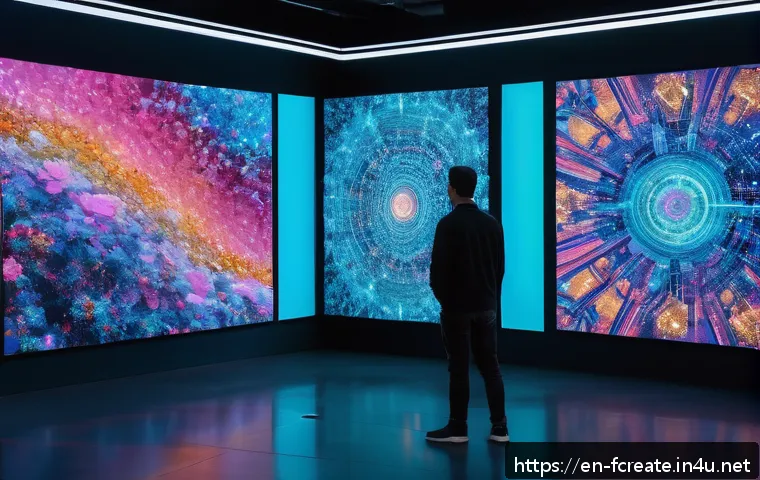
Emerging AI technologies enable dynamic artworks that respond to viewer interaction or environmental data. In my visits to exhibitions featuring such pieces, I was amazed by installations that changed colors or shapes based on audience movement or sound.
This interactivity transforms passive viewing into immersive experiences, redefining how art is consumed and appreciated. As these technologies mature, expect more personalized and engaging art forms that blend physical and digital realms seamlessly.
The Rise of AI-Curated Exhibitions and Collections
AI is increasingly used to curate exhibitions by analyzing themes, styles, and audience preferences. I attended an AI-curated show where the algorithm selected pieces that created a cohesive narrative from diverse artists.
This approach can uncover hidden connections and foster novel interpretations. However, it also raises questions about the curator’s role and the balance between human intuition and machine logic in shaping cultural discourse.
Integration of AI in Art Education
Educational programs are beginning to incorporate AI tools to teach creative techniques and critical thinking. From personal experience tutoring students, AI can serve as a tutor or collaborator that offers instant feedback and alternative approaches.
This integration prepares new generations of artists to navigate a hybrid creative landscape, blending traditional skills with digital fluency. It also encourages experimentation and adaptability, essential traits in an ever-changing artistic environment.
Comparing Traditional Art and AI-Enhanced Creativity
| Aspect | Traditional Art | AI-Enhanced Creativity |
|---|---|---|
| Creation Speed | Typically slower, manual process requiring hours or days | Rapid generation of multiple variations in minutes or seconds |
| Human Input | Direct and hands-on, artist controls every element | Collaborative; artist guides AI with prompts and selections |
| Originality | Rooted in individual skill and imagination | Combines learned data patterns with human creativity |
| Accessibility | Requires physical materials and studio space | Accessible via software and internet, democratizing art creation |
| Market Perception | Traditionally valued for craftsmanship and uniqueness | Emerging valuation models considering technology and innovation |
| Ethical Concerns | Focus on authenticity and artist’s intent | Issues around data use, consent, and bias in AI models |
Conclusion
As AI continues to intertwine with the creative process, it reshapes our understanding of artistry, collaboration, and innovation. Embracing these tools offers exciting opportunities while prompting us to reconsider authenticity and ethical responsibilities. The future of creativity lies in a harmonious blend of human imagination and machine intelligence, inviting artists and audiences alike to explore new frontiers.
Useful Information to Know
1. AI tools can significantly speed up the creative process by generating multiple design variations quickly, allowing artists to experiment freely.
2. Transparency about AI involvement in artwork helps build trust and connects audiences with the creative journey behind the piece.
3. Ethical use of data and respecting creators’ rights are crucial to fostering a sustainable AI art ecosystem.
4. New digital platforms and blockchain technology are revolutionizing how AI art is sold, authenticated, and valued.
5. Balancing AI assistance with personal creativity ensures the final work remains meaningful and uniquely yours.
Key Takeaways
AI is transforming creativity by enabling new forms of artistic collaboration and expanding creative possibilities beyond traditional limits. However, this shift introduces challenges around authenticity, ownership, and ethical data use that require thoughtful consideration. Artists who embrace AI responsibly and transparently can unlock innovative expressions while maintaining their individual voice. Meanwhile, evolving markets and technologies demand fresh approaches to art valuation and collection, signaling a dynamic future for both creators and audiences.
Frequently Asked Questions (FAQ) 📖
Q: How does
A: I-generated art impact the concept of originality in creative work? A1: AI-generated art challenges traditional ideas of originality by blending human input with algorithmic processes.
While some argue that art created with AI lacks a singular creative mind, others see it as a new form of collaboration where originality emerges from the unique interplay between human intention and machine capabilities.
The key takeaway is that originality is evolving—it’s less about a lone genius and more about how technology expands creative possibilities.
Q: Can
A: I-generated art be considered authentic and valuable like traditional art? A2: Authenticity in AI art depends largely on context and perspective. Many collectors and artists now value AI pieces for their innovation and the fresh perspectives they bring.
Just like traditional art, AI art can convey emotion, provoke thought, and reflect cultural trends. Personally, I’ve seen AI artworks fetch significant prices and gain recognition, proving that authenticity and value are no longer limited to hand-crafted works alone.
Q: What opportunities does
A: I offer to artists and creatives in terms of expression? A3: AI opens exciting new doors for artists by providing tools that can generate ideas, experiment with styles, and even complete complex projects faster.
From enhancing creativity with unexpected patterns to democratizing art-making for those without formal training, AI acts as a creative partner rather than a replacement.
Based on my experience, using AI tools often sparks fresh inspiration and allows artists to push boundaries they hadn’t imagined before.