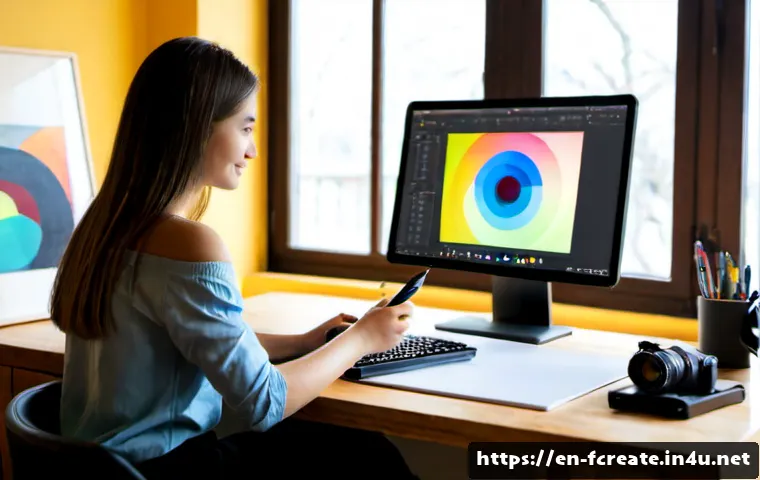
The digital media landscape is evolving faster than ever, breaking down barriers and giving rise to a new wave of creators who are reshaping the economy in exciting ways.
From TikTok stars to indie podcasters, fresh voices are finding their audiences without relying on traditional gatekeepers. This shift not only opens doors for diverse perspectives but also creates unique opportunities for monetization and community building.
As algorithms and platforms continue to adapt, understanding this dynamic is key to staying ahead in the creator economy. Let’s dive into how digital media is empowering these new voices and transforming the way content is made and consumed today.
Breaking Down Barriers: How Digital Platforms Democratize Creativity
The Rise of Direct-to-Audience Models
In the past, creators heavily depended on traditional media channels like TV networks, publishers, and record labels to reach their audiences. Today, platforms such as YouTube, TikTok, and Patreon empower creators to bypass these gatekeepers entirely.
This direct connection not only accelerates growth but also deepens engagement, since creators can interact and respond to their followers without intermediaries.
From my own experience running a YouTube channel, I’ve noticed how much more authentic and responsive the community feels when the feedback loop is immediate and unfiltered.
This model encourages experimentation and niche content, allowing voices that might have been overlooked to flourish.
Algorithms as Double-Edged Swords
While algorithms are often blamed for limiting visibility, they also offer creators a powerful tool to find their ideal audience. Platforms use machine learning to suggest content based on user behavior, enabling new creators to gain exposure quickly if their content resonates.
However, this system can be unpredictable and requires creators to stay agile and adapt their strategies regularly. For example, when TikTok changed its recommendation patterns last year, many creators had to pivot their content style to maintain reach.
This dynamic environment pushes creators to be more innovative but also introduces challenges in sustaining long-term growth without platform dependency.
Community Building Beyond Content
Successful creators don’t just produce content—they build communities. Digital media allows them to foster loyal followings by creating spaces for fans to connect, share, and contribute.
Discord servers, Patreon tiers, and exclusive live streams are examples of how creators cultivate a sense of belonging. I’ve personally seen how hosting monthly Q&A sessions with subscribers not only strengthens relationships but also generates consistent revenue streams.
This community-centric approach transforms audiences from passive viewers into active participants, which is vital for sustaining momentum in the creator economy.
New Monetization Channels Shaping Creator Incomes
Diversifying Revenue Streams
Gone are the days when ad revenue was the sole source of income for creators. Nowadays, monetization is multifaceted, including brand partnerships, merchandise sales, crowdfunding, subscriptions, and even NFTs.
This diversification helps creators stabilize their earnings and reduces reliance on any single income source. I remember when I first introduced a membership program on my blog—while it took time to build, the recurring revenue became a game-changer during months when ad income fluctuated.
Understanding these options and how they fit together is essential for creators aiming to build sustainable careers.
The Impact of Microtransactions and Fan Support
Microtransactions, such as small donations or “tips” via platforms like Ko-fi or Twitch Bits, have revolutionized how fans express appreciation. These small gestures aggregate into significant support and offer creators immediate feedback on what resonates.
I’ve noticed that enabling easy tipping options encourages viewers to contribute spontaneously, especially during live events or after sharing valuable insights.
This real-time interaction not only boosts income but also fosters a closer creator-fan bond.
Brand Collaborations and Sponsored Content Trends
Brands increasingly recognize the value of authentic creator partnerships over traditional ads. Influencers who genuinely align with a brand’s ethos produce sponsored content that feels natural and trustworthy.
From personal experience, collaborating with brands that share my values has led to higher engagement and better outcomes than generic promotions. Creators today must navigate these relationships carefully, balancing sponsored work with organic content to maintain audience trust and long-term credibility.
Tools and Technologies Empowering Creators
User-Friendly Content Creation Software
The availability of intuitive tools like Canva, Adobe Premiere Rush, and Anchor podcasting app has lowered the entry barrier for content creation. These platforms enable even novices to produce polished, professional-quality work without a steep learning curve.
When I first started editing videos, using accessible software allowed me to focus more on storytelling than technical hurdles. This democratization of tools means creativity is limited less by skills and more by imagination.
Analytics and Data-Driven Growth
Access to detailed analytics dashboards on platforms helps creators understand audience demographics, peak engagement times, and content preferences. Leveraging this data is critical for refining strategies and maximizing impact.
For instance, analyzing which blog posts or videos perform best has helped me tailor future content to better meet my audience’s interests, resulting in higher retention and click-through rates.
Data literacy is becoming a vital skill for creators who want to compete in an increasingly crowded space.
Collaborative Platforms and Network Effects
Platforms that encourage collaboration, like Clubhouse or Twitch’s co-streaming features, enable creators to cross-pollinate audiences and spark new creative ideas.
These network effects can exponentially boost visibility and growth. I’ve had memorable experiences partnering with other creators for live streams, which not only expanded my reach but also enriched the content through diverse perspectives.
Collaboration is a powerful growth driver, especially in niche communities where shared audiences seek authenticity.
Challenges and Pitfalls in the Creator Economy
Platform Dependency Risks
While digital platforms offer incredible opportunities, over-reliance on any single platform can be risky. Algorithm changes, policy shifts, or account suspensions can dramatically impact a creator’s income and reach overnight.
I’ve seen peers lose significant followings after a sudden de-platforming event, which underscores the importance of building diversified presence across multiple channels.
Developing owned assets like newsletters or personal websites provides a safety net and greater control over one’s brand.
Mental Health and Burnout Issues
The pressure to continuously produce content and maintain engagement often leads to creator burnout. The blurred lines between personal life and online persona can amplify stress and anxiety.
Speaking from my own experience, setting boundaries and scheduling regular breaks have been essential for sustaining creativity and well-being. Platforms and communities are beginning to acknowledge these challenges, but creators must proactively manage their workload and mental health.
Navigating Copyright and Legal Complexities
Creators face increasing legal scrutiny around content ownership, fair use, and monetization rights. Understanding copyright laws and platform policies is critical to avoid takedowns, demonetization, or lawsuits.
Early in my journey, I learned the hard way how using unlicensed music could jeopardize an entire video’s monetization. Investing time in legal literacy or consulting professionals can save creators from costly mistakes and help protect their work.
Emerging Trends Shaping the Future of Content Creation
The Rise of Short-Form Video Dominance
Short-form videos, especially those under a minute, have exploded in popularity on platforms like TikTok, Instagram Reels, and YouTube Shorts. Their snackable nature fits modern attention spans and mobile consumption habits.
Creators who master this format often see rapid follower growth and engagement. I experimented with short clips and noticed how quickly they spread compared to longer videos, which require more viewer commitment.
This trend signals a shift toward bite-sized storytelling that’s both creative and highly shareable.
Integration of Virtual and Augmented Reality
VR and AR technologies are beginning to offer immersive experiences that redefine how content is consumed. Virtual concerts, interactive storytelling, and augmented filters engage audiences in new dimensions.
Although still in early stages, I’ve tried AR filters on social media and found them to be a fun way to boost interaction and creativity. As these technologies become more accessible, they’ll open exciting avenues for creators to experiment with immersive content and build deeper audience connections.
The Growing Importance of Creator-Led Commerce
More creators are turning to e-commerce by launching their own product lines or exclusive digital goods. This trend blurs the line between content and commerce, allowing creators to monetize their personal brand directly.
In my case, offering branded merchandise alongside content created a tangible connection with fans and diversified income. The creator economy is evolving into a holistic ecosystem where storytelling, community, and commerce are intertwined.
| Monetization Method | Platform Examples | Key Benefits | Potential Challenges |
|---|---|---|---|
| Ad Revenue | YouTube, Facebook | Passive income, scalable with views | Algorithm dependency, fluctuating payouts |
| Subscriptions & Memberships | Patreon, OnlyFans, Substack | Steady, predictable income, direct fan support | Requires ongoing exclusive content, subscriber churn |
| Brand Sponsorships | Instagram, TikTok | High earning potential, brand alignment | Maintaining authenticity, negotiation complexity |
| Merchandise Sales | Shopify, Teespring | Builds brand loyalty, diversified income | Inventory management, upfront costs |
| Microtransactions & Tips | Twitch, Ko-fi, Buy Me a Coffee | Immediate fan engagement, flexible support | Income unpredictability, requires active engagement |
Strategies for Long-Term Success in a Rapidly Changing Landscape
Building a Personal Brand with Authenticity
In an oversaturated market, authenticity stands out. Sharing genuine stories, struggles, and behind-the-scenes moments creates trust and emotional bonds with audiences.
I’ve found that openness about my creative process and setbacks resonates deeply with followers, fostering loyalty beyond superficial metrics. Personal branding is less about perfection and more about relatability.
Adapting to Platform Evolution
Staying relevant means continuously learning and adapting as platforms evolve. Whether it’s new features, content formats, or community guidelines, successful creators embrace change rather than resist it.
For example, when Instagram introduced Reels, integrating short-form video into my content mix boosted discoverability significantly. Being proactive and experimenting early often yields competitive advantages.
Prioritizing Audience Engagement Over Metrics
While follower counts and views are important, prioritizing meaningful engagement—comments, shares, conversations—builds a healthier creator-audience relationship.
I encourage creators to respond to comments and create interactive content, which not only enhances the community feel but also signals to algorithms that the content is valuable.
Focusing on engagement nurtures growth that’s both organic and sustainable.
Conclusion
Digital platforms have truly transformed the creative landscape, offering unprecedented opportunities for creators to connect directly with their audiences. While challenges like platform dependency and burnout remain, the evolving tools and monetization options empower creators to build sustainable careers. Embracing authenticity, adaptability, and community engagement is key to thriving in this dynamic environment.
Useful Information to Keep in Mind
1. Diversify your income streams to reduce risks and ensure steady earnings over time.
2. Prioritize building genuine relationships with your audience rather than focusing solely on follower counts.
3. Stay informed about platform updates and trends to keep your content fresh and relevant.
4. Utilize user-friendly creation tools and analytics to enhance content quality and audience understanding.
5. Take care of your mental health by setting boundaries and managing your workload effectively.
Key Takeaways
Building a resilient creator career requires balancing creativity with strategic planning. Relying on multiple platforms and revenue sources safeguards against sudden changes, while authentic storytelling fosters loyal communities. Continuous learning and adaptation to new technologies and audience behaviors help maintain growth. Lastly, protecting your well-being and legal rights is essential for long-term success in the creator economy.
Frequently Asked Questions (FAQ) 📖
Q: uestions about the Evolving Digital Media LandscapeQ1: How are new creators bypassing traditional media gatekeepers in today’s digital landscape?
A: Thanks to platforms like TikTok, YouTube, and podcast apps, creators no longer need approval from TV networks, record labels, or publishing houses to reach an audience.
These platforms democratize content distribution, allowing anyone with a smartphone and a unique voice to build a following directly. From my own experience watching indie podcasters gain tens of thousands of listeners without any big backing, it’s clear that authenticity and niche appeal matter more than ever, letting fresh voices thrive independently.
Q: What are the most effective ways for digital creators to monetize their content today?
A: Monetization has become diverse and creator-friendly. Beyond traditional ads, creators earn through brand partnerships, fan subscriptions (like Patreon or OnlyFans), merchandise sales, and live virtual events.
From what I’ve seen firsthand, combining multiple income streams works best — for example, a TikTok star might promote products while also offering exclusive content behind a paywall.
Platforms’ evolving algorithms also reward engagement, so building a loyal community often leads to better monetization opportunities.
Q: How do changing algorithms impact content visibility and creator success?
A: Algorithms on platforms like Instagram, YouTube, and TikTok constantly evolve to prioritize content that keeps users engaged. This means creators must stay adaptable, experimenting with formats and posting schedules to maintain visibility.
I’ve noticed creators who engage authentically with their audience and stay on top of trends tend to perform better. However, this can be challenging, as sudden algorithm shifts may reduce reach overnight, so building a direct connection with followers outside the platform—like through newsletters or Discord communities—helps sustain long-term success.