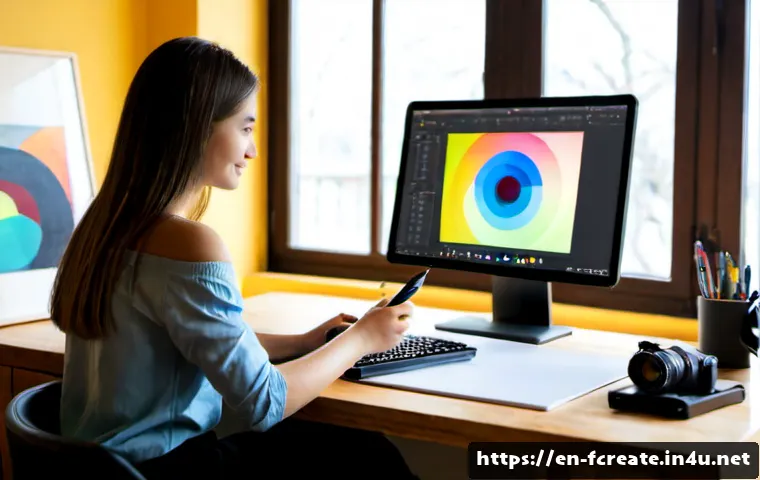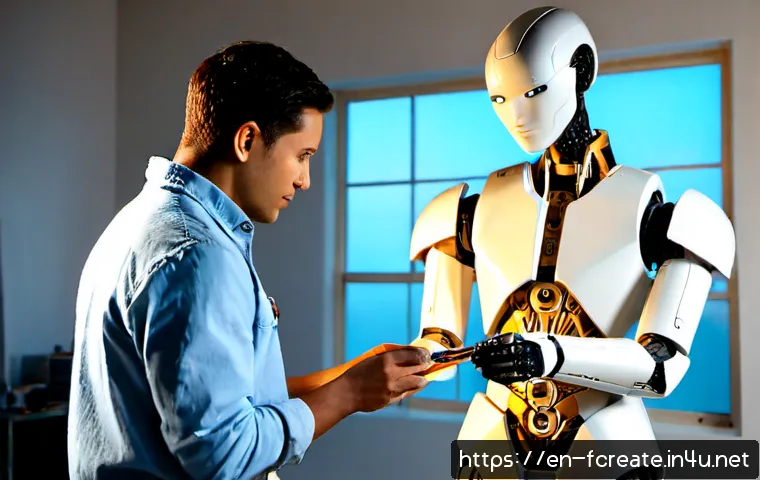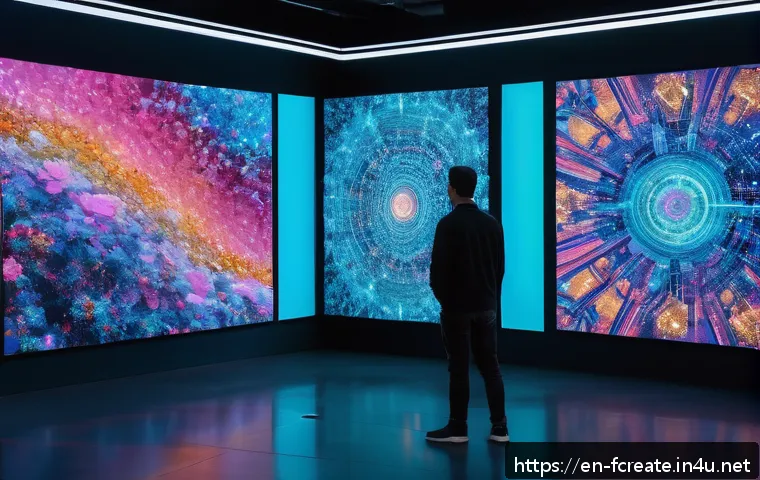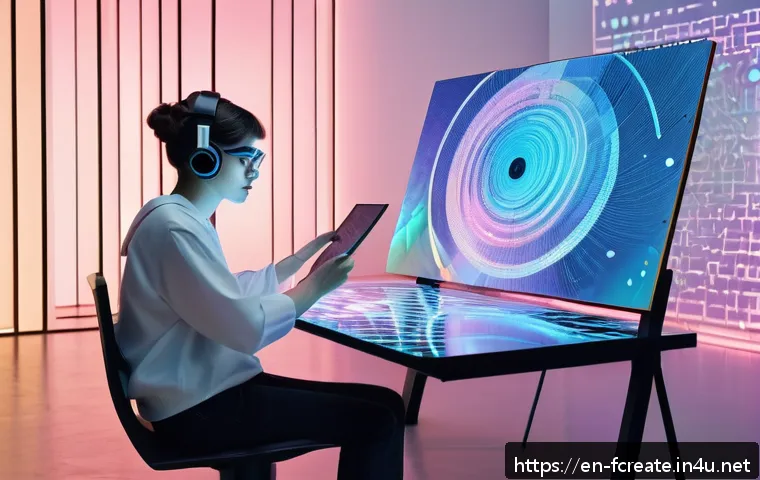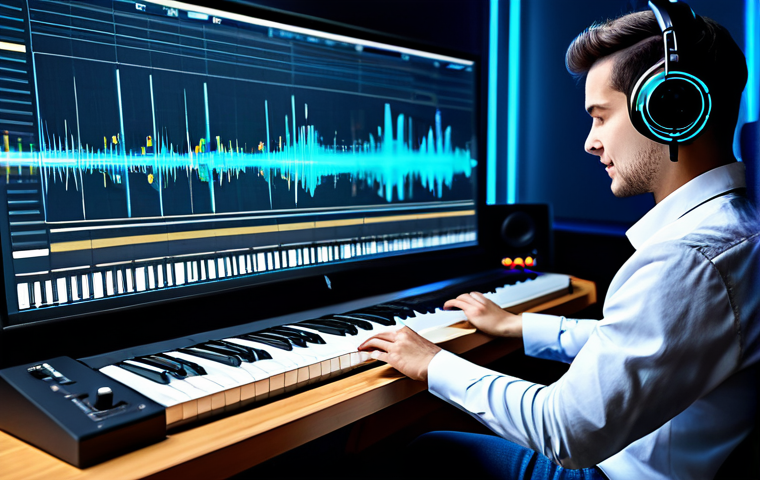
The collaboration between humans and machines in AI music composition is reshaping the landscape of music creation. Imagine a world where your creative ideas are amplified by the computational power of AI, leading to musical experiences previously unimaginable.
From generating initial melodies to harmonizing complex arrangements, AI is becoming an indispensable partner for both seasoned musicians and aspiring composers.
This isn’t about replacing human artistry; it’s about augmenting it, pushing the boundaries of what’s musically possible. Having experimented with various AI music platforms myself, I’ve seen firsthand how they can unlock new avenues of creativity.
The future of music is undoubtedly intertwined with this fascinating intersection of human ingenuity and artificial intelligence. Let’s delve deeper into this topic in the following article.
Unlocking Creativity: How AI Amplifies Human Musicality
The beauty of AI in music lies in its ability to act as a catalyst for human creativity. It’s like having a tireless collaborator who never runs out of ideas, offering a fresh perspective and helping musicians break through creative blocks. I remember struggling with a composition once, feeling stuck in a rut. I turned to an AI music generator, and it instantly provided me with several melodic variations I hadn’t considered. It wasn’t about the AI creating the “perfect” piece, but about it sparking new ideas that I could then shape and mold into something truly unique. It’s a powerful feeling to have your own creativity amplified in such a way.
Exploring New Sonic Territories
AI algorithms can analyze vast libraries of music, identifying patterns and generating novel combinations that might never occur to a human composer. This opens up exciting possibilities for experimentation and the creation of truly original sounds. Think about genres blending in unexpected ways, or instruments being used in unconventional contexts. It’s about pushing the boundaries of what we consider “music” and exploring uncharted sonic territories. I’ve witnessed firsthand how AI can generate melodies that are both familiar and surprisingly fresh, leading to compositions that defy easy categorization.
Overcoming Technical Barriers
For aspiring musicians who may lack formal training or technical skills, AI can be a powerful tool for democratizing music creation. AI platforms can help with tasks such as harmonizing melodies, creating backing tracks, and even mixing and mastering finished songs. This allows individuals to focus on their creative vision without being bogged down by technical complexities. My friend Sarah, who always dreamed of composing but felt intimidated by music theory, recently used an AI-powered platform to create her first song. The experience was incredibly empowering for her, and it opened up a whole new world of creative possibilities.
The Rise of Personalized Music Experiences
Imagine a future where music is tailored specifically to your individual tastes and preferences, adapting in real-time to your mood and activity. AI is making this a reality, analyzing your listening habits and generating personalized playlists, soundscapes, and even entire compositions. This level of personalization has the potential to transform the way we experience music, making it more engaging, relevant, and emotionally resonant. I recently tried an AI-powered music app that creates personalized playlists based on my heart rate and activity level. It’s amazing how the music seems to anticipate my needs, providing the perfect soundtrack for my workouts or helping me relax after a long day.
Adaptive Music for Gaming and Interactive Media
AI is also revolutionizing the way music is used in video games and other interactive media. AI algorithms can generate dynamic soundtracks that respond to the player’s actions, creating a more immersive and engaging experience. Imagine a game where the music swells and intensifies as you approach a boss battle, or where the ambient soundscape shifts based on your location within the game world. This level of interactivity adds a whole new dimension to the gaming experience, blurring the lines between gameplay and musical performance. I’ve noticed that in games with adaptive soundtracks, I feel more connected to the virtual world and more emotionally invested in the story.
AI-Driven Music Therapy
The therapeutic potential of AI-generated music is also being explored. AI algorithms can create personalized soundscapes that are designed to reduce stress, improve mood, and promote relaxation. This technology has the potential to be used in a variety of settings, from hospitals and clinics to homes and schools. Imagine a world where music therapy is accessible to everyone, regardless of their location or socioeconomic status. The personalized and adaptive nature of AI-generated music makes it a powerful tool for addressing a wide range of mental and emotional health needs. I’ve read studies about AI music therapy helping reduce anxiety in patients undergoing chemotherapy, which highlights the incredible potential of this technology.
Navigating the Ethical Considerations
As AI becomes more prevalent in music creation, it’s important to address the ethical considerations that arise. Concerns about copyright infringement, artistic authenticity, and the potential displacement of human musicians need to be carefully considered. We need to develop guidelines and best practices that ensure AI is used responsibly and ethically in the music industry. It’s essential to engage in open and honest conversations about the role of AI in music and how it can be used to benefit both artists and audiences. I personally believe that transparency and collaboration are key to navigating these complex ethical issues.
Copyright and Ownership
One of the biggest challenges is determining who owns the copyright to music created with AI. Is it the programmer who created the AI algorithm, the musician who provided the initial input, or the AI itself? Legal frameworks need to be updated to address this new reality and ensure that artists are fairly compensated for their contributions. I’ve seen several court cases already emerging around this issue, highlighting the urgent need for clarity and legal precedent. It’s a complicated issue with no easy answers, but it’s crucial to find a solution that protects the rights of all stakeholders.
The Authenticity Debate
Another concern is whether music created with AI can be considered truly “authentic.” Some argue that AI-generated music lacks the emotional depth and personal expression that are hallmarks of human artistry. Others believe that AI is simply another tool that can be used to create meaningful and expressive music. Ultimately, the question of authenticity is a subjective one. What matters most is whether the music resonates with listeners and evokes an emotional response. I’ve heard AI-generated pieces that moved me deeply, proving that technology can indeed be a vehicle for artistic expression.
The Evolving Role of the Human Musician
Rather than replacing human musicians, AI is likely to transform their role, augmenting their skills and enabling them to create music in new and exciting ways. Musicians of the future will need to be adept at using AI tools, collaborating with AI algorithms, and curating the vast amount of music generated by AI. This requires a shift in mindset, from viewing AI as a threat to embracing it as a powerful ally. I envision a future where musicians and AI work together seamlessly, pushing the boundaries of musical innovation and creating experiences that are truly transformative.
Curating and Refining AI-Generated Content
One of the key roles of the human musician will be to curate and refine the vast amount of music generated by AI. This involves selecting the best pieces, editing and arranging them, and adding their own personal touch to create something truly unique. Think of it as being a chef who uses AI-generated ingredients to create a culinary masterpiece. The AI provides the raw materials, but the human chef brings their expertise and creativity to the table to create a dish that is both delicious and memorable. I think this curation aspect is where human artistic sensibility will continue to shine.
Developing New Musical Styles and Genres

AI can also help musicians develop new musical styles and genres by generating novel combinations of sounds and rhythms. This allows artists to experiment with different approaches and push the boundaries of what is considered “music.” Imagine a future where new genres emerge that are hybrids of human and AI creativity, blending traditional musical forms with cutting-edge technology. It’s exciting to think about the possibilities for musical innovation that lie ahead. I can’t wait to see what new sounds and styles emerge as musicians and AI continue to collaborate.
The Future of Music Education
The integration of AI into music education has the potential to revolutionize the way music is taught and learned. AI-powered tools can provide personalized feedback, adaptive learning experiences, and access to a vast library of musical resources. This can help students learn more effectively, develop their musical skills faster, and explore their creative potential in new ways. I believe that AI will become an indispensable tool for music educators in the years to come, empowering them to create more engaging and effective learning environments.
Personalized Learning Experiences
AI algorithms can analyze a student’s strengths and weaknesses, providing personalized feedback and suggesting learning activities that are tailored to their individual needs. This allows students to learn at their own pace and focus on areas where they need the most help. It’s like having a personal tutor who is always available to provide guidance and support. I’ve seen how personalized learning can dramatically improve a student’s motivation and engagement, leading to better learning outcomes.
Access to a Vast Library of Musical Resources
AI can also provide students with access to a vast library of musical resources, including sheet music, recordings, and tutorials. This makes it easier for students to explore different genres, learn new techniques, and develop their musical skills. Imagine having access to the entire history of music at your fingertips, all thanks to the power of AI. I believe this access will democratize music education, making it more accessible to students from all backgrounds.
Monetizing AI-Generated Music
The rise of AI-generated music presents both opportunities and challenges for musicians looking to monetize their work. New business models are emerging that allow artists to generate revenue from AI-generated content, such as selling licenses, creating personalized soundtracks, and offering AI-powered music services. However, it’s important to navigate the legal and ethical complexities of monetizing AI-generated music to ensure that artists are fairly compensated for their contributions. I think that transparency and clear licensing agreements are key to building a sustainable and equitable ecosystem for AI-generated music.
Licensing AI-Generated Music
One way to monetize AI-generated music is to sell licenses to businesses and individuals who want to use it in their projects. This could include using AI-generated music in advertisements, video games, or films. The key is to establish clear licensing terms that define how the music can be used and how royalties will be distributed. I’ve seen several artists successfully license their AI-generated music, creating a new revenue stream for their work. This licensing approach allows artists to retain control over their intellectual property while also generating income.
Creating Personalized Soundtracks and Music Services
Another way to monetize AI-generated music is to create personalized soundtracks and music services for individuals and businesses. This could involve creating custom playlists, generating adaptive music for video games, or offering AI-powered music therapy services. The key is to provide value to customers by offering unique and personalized music experiences. I believe this approach has the potential to revolutionize the music industry, creating new opportunities for artists and audiences alike.
| AI’s Role | Human’s Role | Benefit | Challenge |
|---|---|---|---|
| Generates melodies, harmonies, and rhythms | Provides creative direction, emotional input | Faster music creation process | Copyright and ownership disputes |
| Analyzes vast datasets of music | Curates and refines AI-generated content | Discovery of new musical styles and genres | Concerns about artistic authenticity |
| Personalizes music experiences | Adapts AI for therapeutic or educational purposes | Enhanced engagement and emotional resonance | Ethical considerations regarding data privacy |
Unlocking the potential of AI in music is an exciting journey, one where technology and human creativity intertwine to create something truly remarkable.
From personalized listening experiences to novel musical compositions, AI is poised to revolutionize the music industry. However, it’s crucial to address the ethical considerations and ensure that AI is used responsibly and ethically, fostering a future where both artists and audiences benefit from this powerful technology.
I am personally thrilled to witness and be a part of this evolving landscape.
In Conclusion
The fusion of AI and music is not about replacement, but about enhancement. It’s a collaborative dance where AI amplifies human creativity, opens new sonic territories, and personalizes musical experiences in unprecedented ways. As we navigate the ethical considerations and redefine the role of the human musician, the future of music promises to be a harmonious blend of technology and artistry, creating a symphony of innovation for generations to come. I’m genuinely excited to see where this journey takes us, and how it enriches our lives through the power of music.
Useful Information
1. AI Music Generators: Explore platforms like Amper Music, Jukebox (OpenAI), or AIVA for creating original music using AI algorithms.
2. Personalized Music Apps: Check out Spotify’s personalized playlists (e.g., Discover Weekly, Daily Mixes) or apps like Endel for AI-driven soundscapes tailored to your activities.
3. Copyright Resources: Consult copyright law resources in your country (e.g., the U.S. Copyright Office) for understanding the legal aspects of AI-generated music.
4. Music Theory Tutorials: Improve your musical knowledge through online resources like Coursera’s “Introduction to Music Theory” or YouTube channels like Rick Beato.
5. Ethical AI Guidelines: Familiarize yourself with ethical AI principles from organizations like the AI Now Institute or the Partnership on AI.
Key Takeaways
AI serves as a powerful tool for enhancing human musicality, not replacing it.
Personalized music experiences and adaptive soundtracks are transforming how we engage with music.
Ethical considerations, such as copyright and authenticity, require careful attention.
Musicians need to adapt by curating AI-generated content and developing new musical styles.
AI is revolutionizing music education by providing personalized learning experiences and access to vast resources.
Frequently Asked Questions (FAQ) 📖
Q: Can
A: I really help me if I’m not a professional musician? A1: Absolutely! Think of AI music tools as a super-powered jam buddy.
I’ve seen complete beginners create surprisingly cool tracks using these platforms. They often offer user-friendly interfaces and templates that guide you through the process, even if you don’t know music theory.
It’s more about playing around and experimenting, letting the AI fill in the gaps and spark new ideas. I felt like a real composer, even though I mostly just tinkered!
Q: Isn’t there a risk that all music will sound the same if
A: I is involved? A2: That’s a valid concern, and something I initially worried about too! But from what I’ve experienced, AI is more of a tool to amplify your unique style rather than replace it.
The key is how you use it. If you just rely on the AI to generate everything, yeah, you might end up with something generic. However, if you use it to explore different harmonies, generate variations on your melodies, or overcome creative blocks, the results can be incredibly fresh and unique.
It’s like having a session musician who can instantly try out all your crazy ideas. Plus, let’s be honest, even without AI, plenty of music sounds the same these days!
Q: What are some specific ways
A: I can help with songwriting and composition? A3: Okay, let me tell you about a personal “aha!” moment. I was stuck on a bridge section for a song I was working on.
I fed the existing parts into an AI music generator, and it came up with several options I never would have thought of. One option was a complete miss, but another gave me an entirely new direction that perfectly fit the vibe.
I’ve also used AI to generate backing tracks when I wanted to test out vocal melodies without hiring studio musicians. It’s like having a limitless source of inspiration.
It’s also fantastic for quickly generating variations on a melody to see which one resonates best. Basically, it can help with everything from overcoming writer’s block to quickly prototyping complex arrangements.
📚 References
Wikipedia Encyclopedia
구글 검색 결과
구글 검색 결과
구글 검색 결과
구글 검색 결과
구글 검색 결과